


Key Highlight: Top eCommerce website builders in 2026 help businesses launch faster, optimize SEO, manage payments, and scale efficiently. Platforms like Shopify, WooCommerce, BigCommerce, Wix, and Squarespace offer features such as drag-and-drop design, mobile optimization, multi-channel selling, and built-in marketing tools. These builders reduce manual work, improve store performance, and support long-term growth. Choosing the right platform ensures smoother operations, better customer experience, and scalable expansion.
Choosing the right eCommerce website builder can be confusing with so many options available today. The platform you pick plays a key role in how efficiently you sell and grow online.
As online shopping continues to rise, the global eCommerce market is expected to reach nearly 4 billion online shoppers by 2030, showing how quickly businesses and customers are moving toward digital commerce.
This guide will help you explore the best eCommerce website builders in 2026 and help you choose the right platform for your business goals from the top online store builders in 2026.
Modern online businesses require more than just a website. Today’s platforms must support automation, omnichannel selling, mobile commerce, and advanced analytics.
The right builder helps you:
A poor platform choice, on the other hand, often leads to migration costs, performance issues, and limited growth opportunities.
Ease of use & setup: A platform should allow quick store creation without heavy coding knowledge. Drag-and-drop builders are especially useful for beginners and small teams.
Design & customization: Your store must reflect your brand identity. Flexible templates and customization tools help create unique shopping experiences.
Payment & shipping options: Look for multi-currency payments, local gateways, automated taxes, and shipping integrations.
Seo and marketing tools: Built-in SEO features, blogging capabilities, and analytics tools are essential for organic growth.
Scalability & integrations: As your business grows, integrations with CRM, analytics, and marketing tools become critical.
Pricing and hidden costs: Always evaluate:
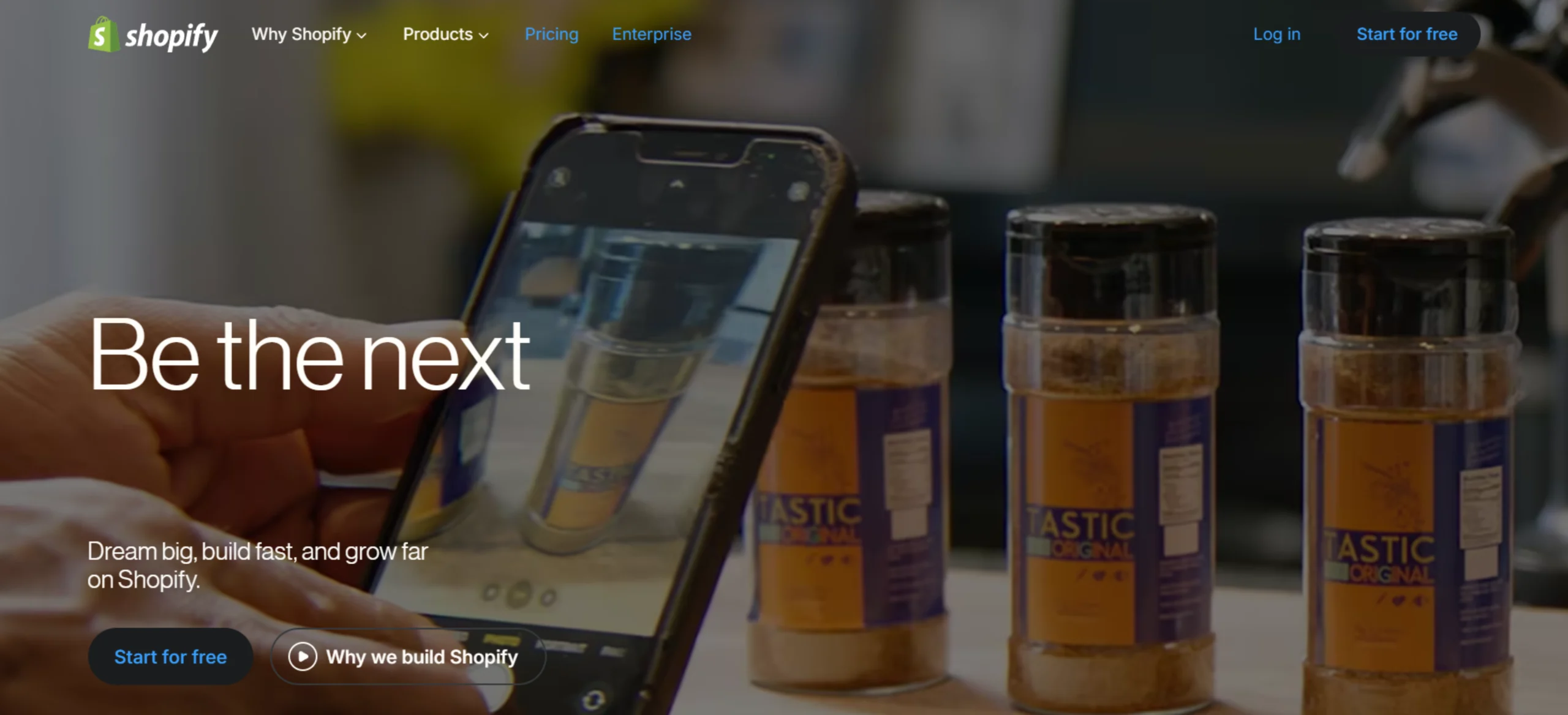
Shopify remains one of the most popular platforms among the best e-commerce website builders in 2026, trusted by both new entrepreneurs and global brands.
Best for: Startups to enterprise brands
Key features:
Pros:
Cons:
Why choose shopify?
It’s ideal for brands looking for quick setup, reliable support, and long-term scalability.
For brands looking to supercharge their Shopify store’s growth and efficiency, ControlF5 offers expert support, custom integrations, and performance optimization to help your online store reach its full potential.
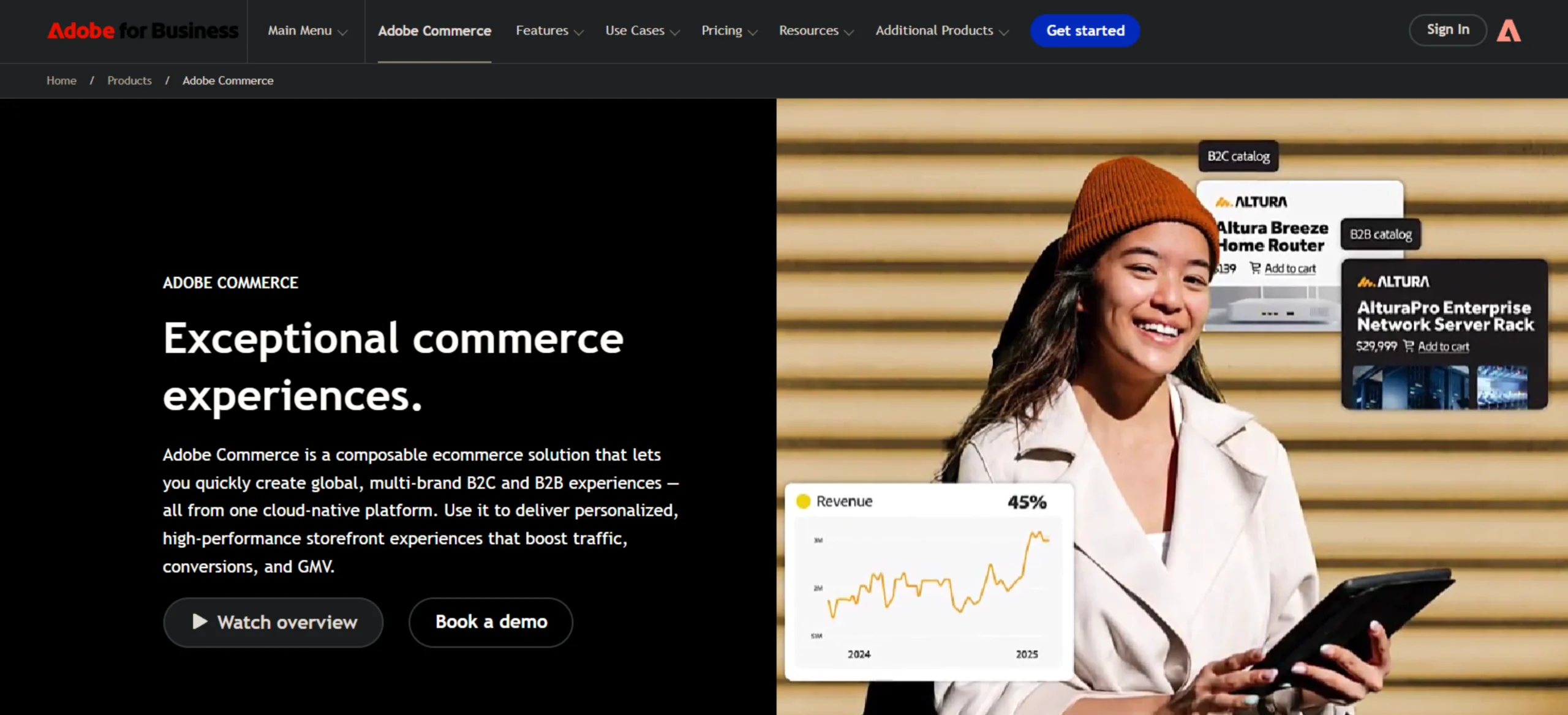
Magento is a powerful platform built for businesses that need advanced customization and complete control over their online store. Magento is a powerful open-source solution known for flexibility and enterprise-level control.
Best for: Large-scale and enterprise businesses
Key features:
Pricing:
Pros:
Cons:
Why choose Magento?
Perfect for businesses needing complete ownership and customization of their online store.
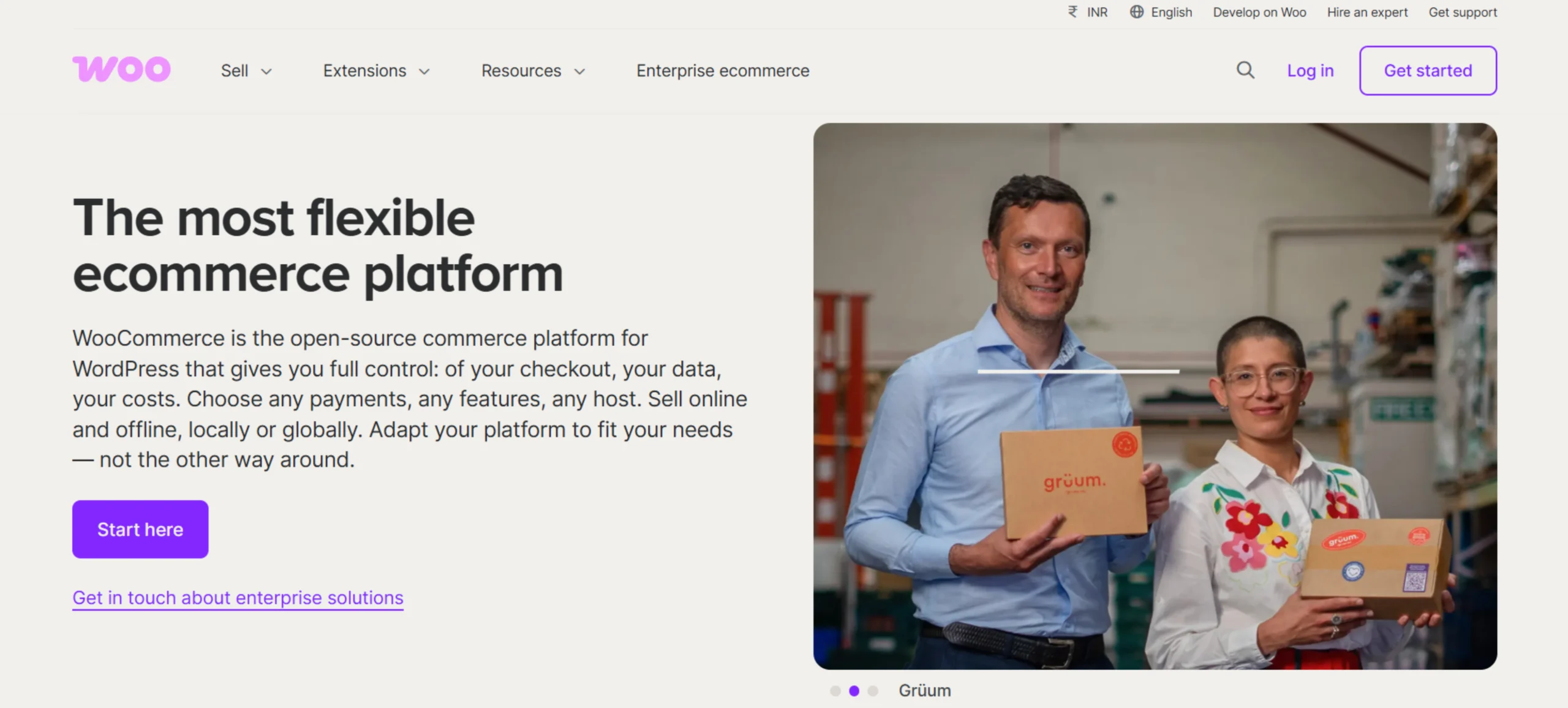
WooCommerce remains a favorite among businesses that rely on content marketing and organic traffic. As a WordPress-based solution, it combines blogging strength with eCommerce functionality, making it a flexible option for content-driven online stores.
Best for: Content-driven and SEO-focused stores
Key features:
Pricing:
WooCommerce plugin is free to use, but you may need to pay for hosting, a domain name, themes, and additional plugins to run a fully functional online store.
Pros:
Cons:
If you’re looking for WordPress experts or developers in India, consider working with professionals of ControlF5.
Ideal for businesses prioritizing SEO, blogging, and full customization control.
Compare Shopify and WooCommerce with the help of this guide
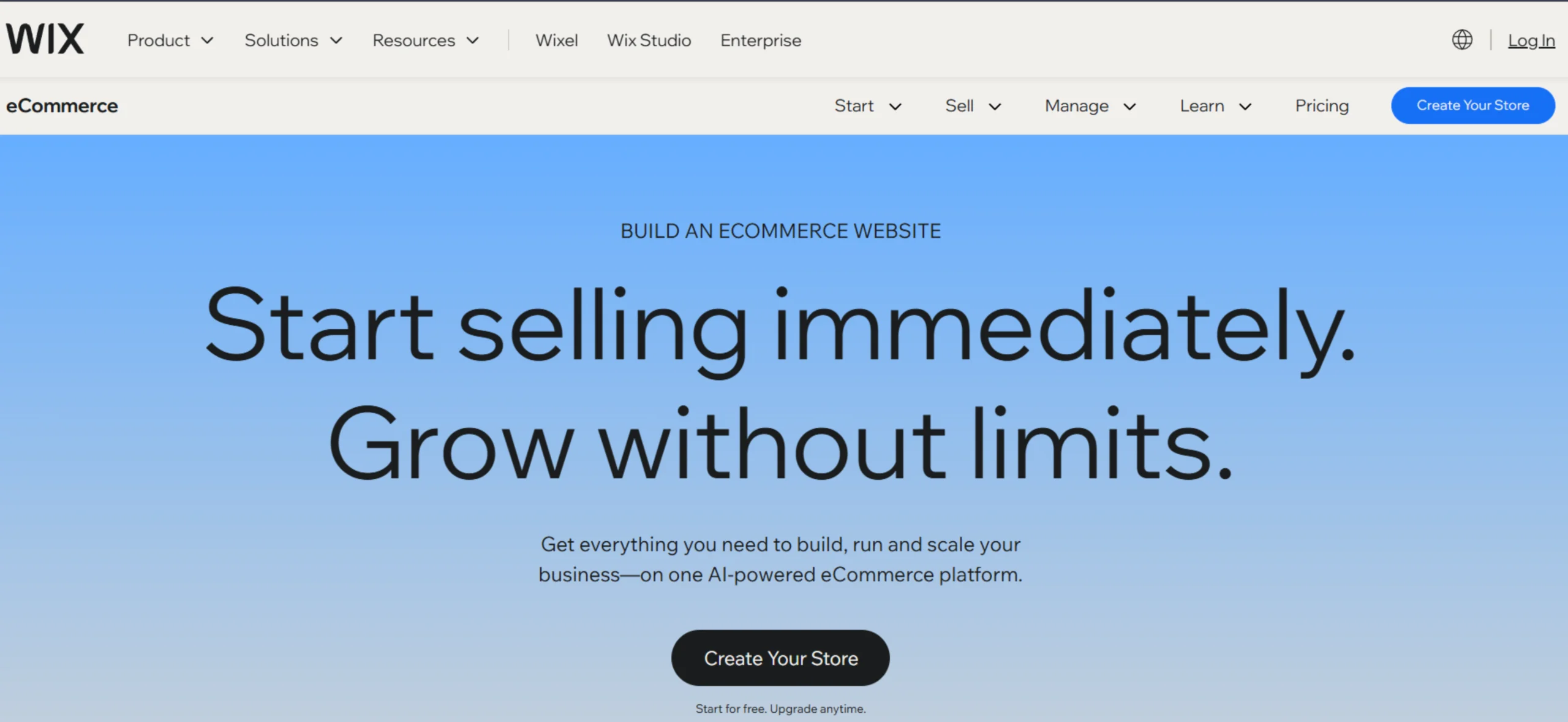
Wix eCommerce provides an easy way to build and manage an online store using a simple drag-and-drop interface. It is well suited for users who want a straightforward setup without technical complexity.
Best for: Small businesses and beginners
Key features:
Pros:
Cons:
Why choose Wix?
Great for users with little technical experience who want a fast launch.
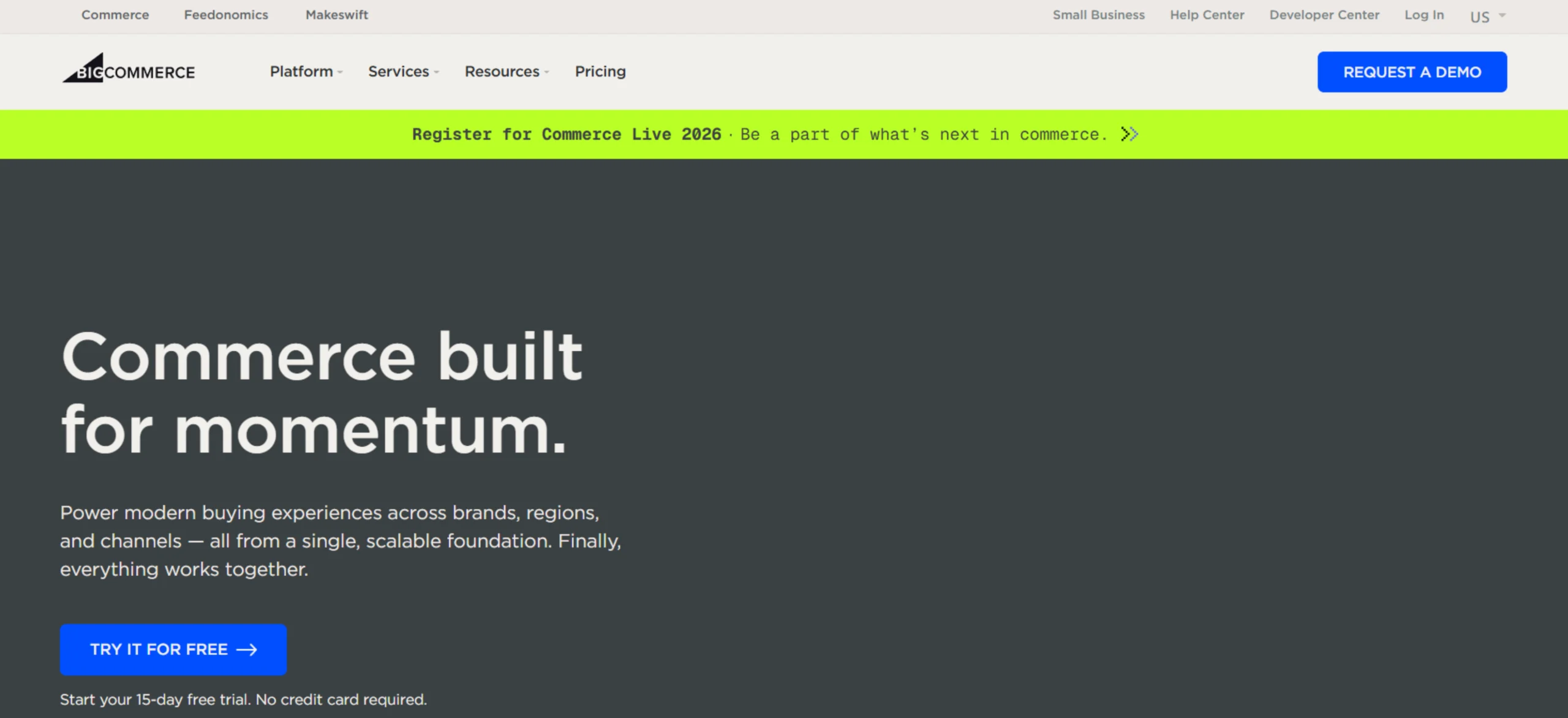
BigCommerce is a growth-focused eCommerce platform that enables businesses to manage online sales across multiple channels from one centralized dashboard. It provides built-in features and flexible customization options that help brands expand efficiently as their operations scale.
Best for: Fast-growing businesses
Key features:
Pros:
Cons:
Why choose BigCommerce?
A strong Shopify alternative for businesses planning rapid expansion.
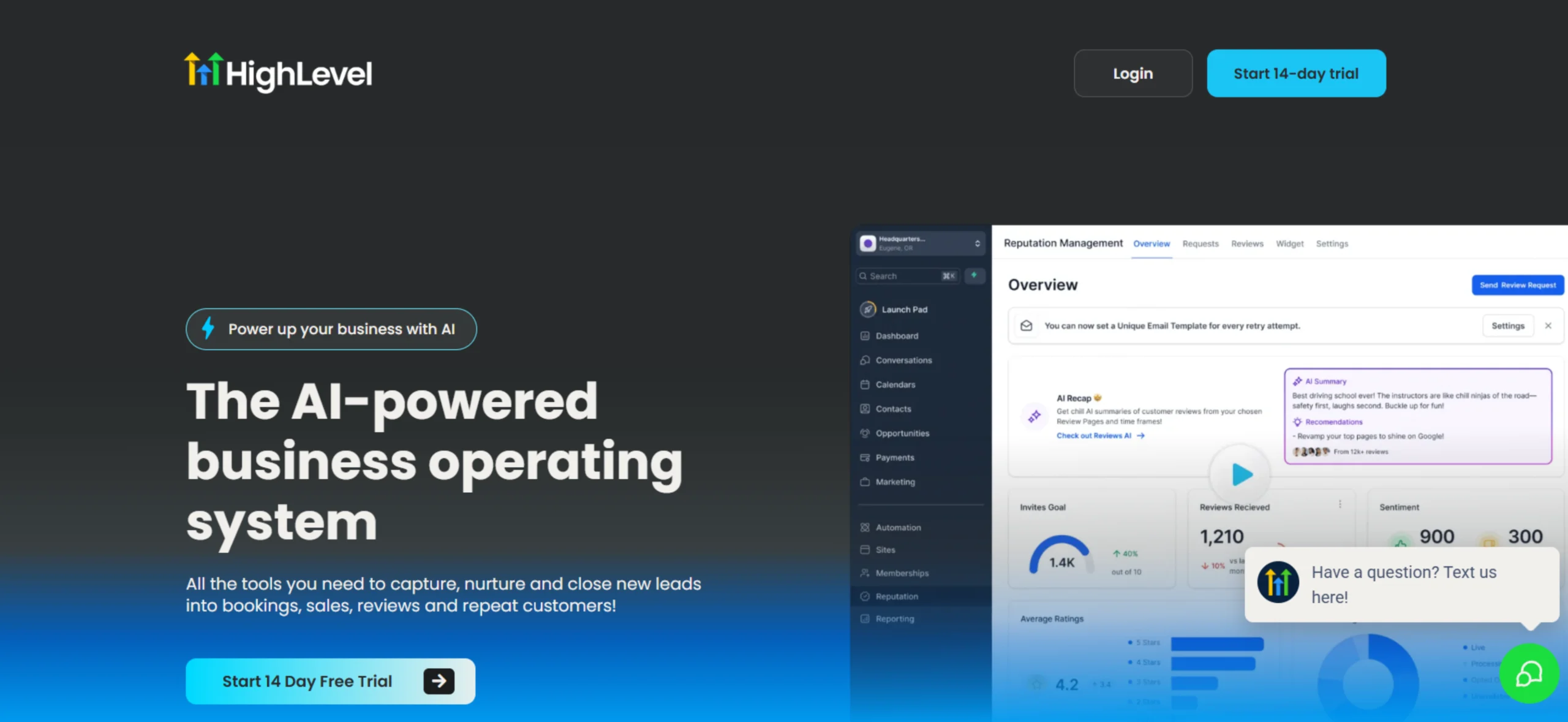
GoHighLevel is an all-in-one platform that brings website creation, marketing automation, and customer management together in one place. It helps businesses manage leads, campaigns, and client communication without using multiple separate tools.
Best for: Agencies and service-based businesses
Key features:
Pros:
Cons:
Why choose GHL?
Ideal for businesses focused on lead generation and automation rather than traditional product catalogs
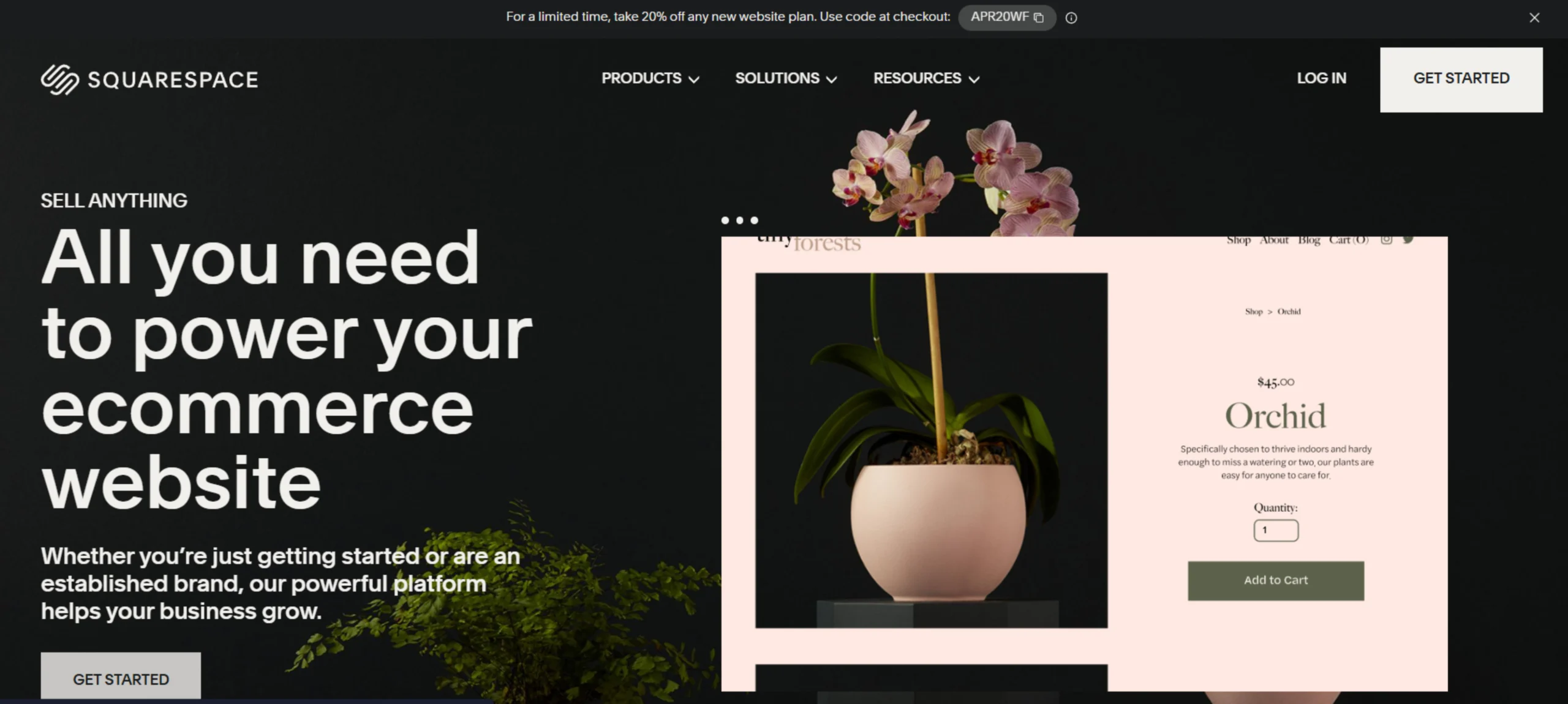
Squarespace ecommerce is a website building platform that helps users create online stores and manage digital businesses through one unified dashboard. It offers professionally designed layouts along with integrated tools for selling, promotion, and business management.
Best for: Design-focused brands
Key features:
Pros:
Cons:
Why choose Squarespace?
Perfect for design-focused brands seeking visually appealing stores with integrated tools.

Webflow eCommerce offers advanced design flexibility, allowing users to create highly customized storefronts visually. It suits designers and agencies seeking creative control.
Best for: Designers and creative agencies
Key features:
Pros:
Cons:
Why choose Webflow?
Maximum design flexibility for creative agencies and visually rich online stores.
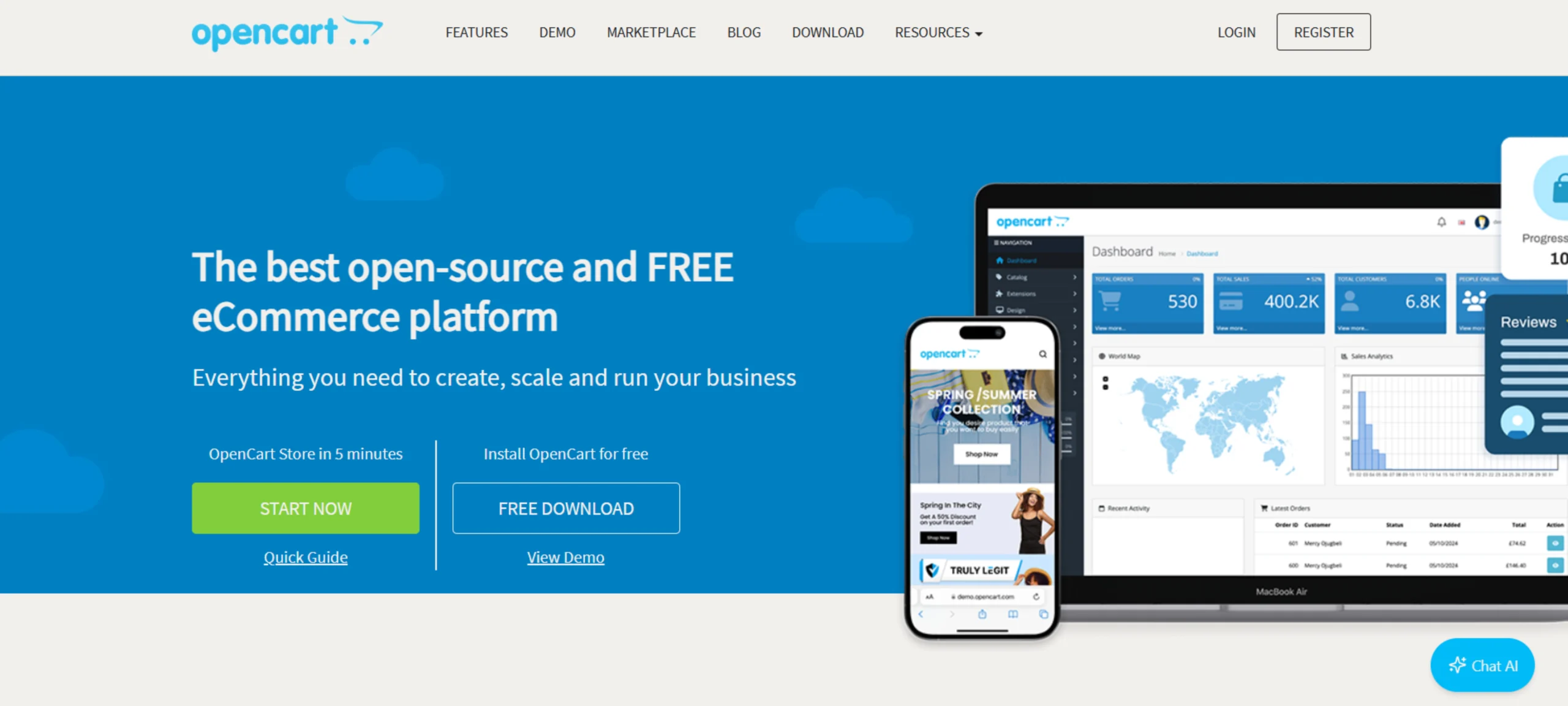
OpenCart is an open-source eCommerce solution that enables users to build and manage online stores with flexible customization options. It supports store management, product listings, and extensions through a simple and adaptable system.
Best for: Budget-conscious businesses
Key features:
Pricing:
Pros:
Cons:
Why choose OpenCart?
Budget-friendly solution with flexible customization and lightweight setup.
Check our article on OpenCart vs Shopify to get more clear idea.
PrestaShop is a customizable eCommerce platform that helps businesses create and grow online stores with flexible selling tools. It offers both downloadable open-source software and hosted solutions designed to support businesses at different growth stages.
Best for: Small to medium businesses
Key features:
Pricing:
Pros:
Cons:
Why choose PrestaShop?
Supports international sales with flexible modules and multi-language options.
Salesforce Commerce Cloud is an enterprise-grade solution used by global brands.
Best for: Large enterprises
Key features:
Pricing:
Pros:
Cons:
Why choose Salesforce Commerce Cloud?
Enterprise-grade platform with AI personalization and omnichannel capabilities.
Shift4Shop is an all-in-one platform that helps businesses create online stores with easy product management and built-in marketing tools. It offers customizable templates, mobile-ready designs, and secure payment options to simplify selling and growing online.
Best for: small to medium online businesses
Key features:
Pros:
Cons:
Why choose Shift4Shop?
All-in-one eCommerce solution with built-in marketing, SEO, and payments for small to medium businesses.
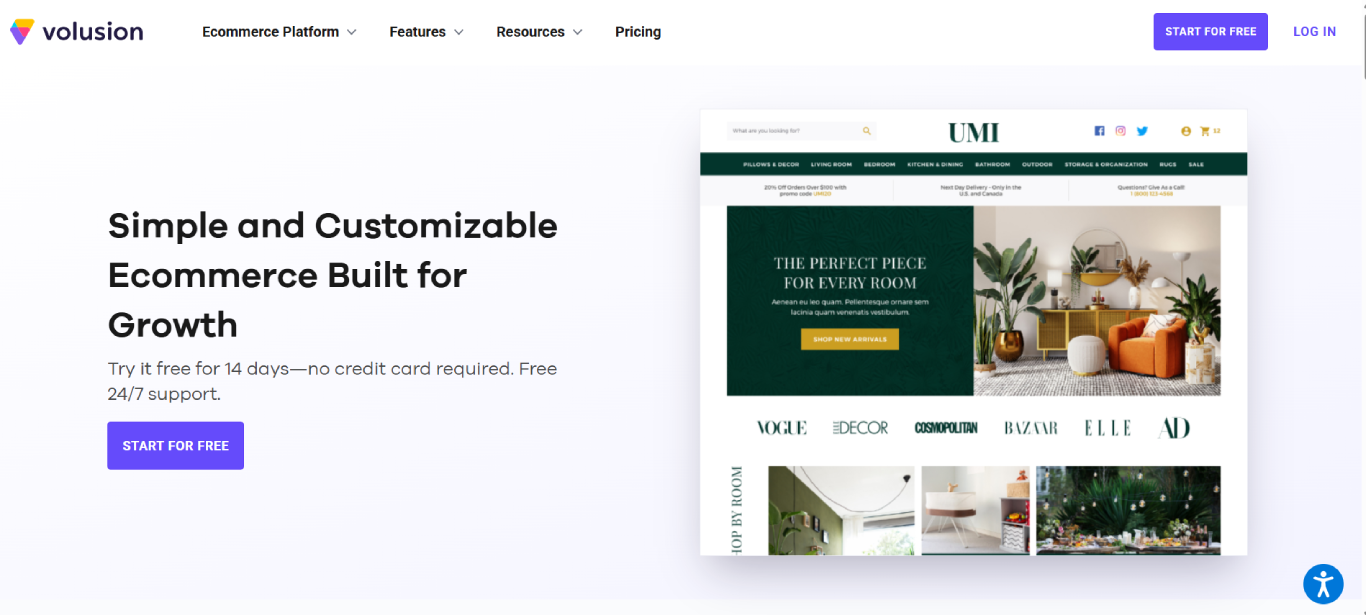
Volusion is an all-in-one platform to build, manage, and grow your online store with built-in tools for payments, SEO, and marketing.
Best for: small‑ to medium‑sized businesses and online merchants
Key features:
Pros:
Cons:
Why choose Volusion?
Easy-to-use platform with SEO, marketing, and product management tools included.

Square Online Store lets businesses create professional online shops quickly, with easy product management and secure checkout. It also provides integrated tools for payments, marketing, and inventory tracking to simplify running an online business.
Best for: small online businesses
Key features:
You can try Plus and Premium plans for free for 30 days.
Pros:
Cons:
Why choose Square?
Seamless online and offline sales integration with no-code setup for small businesses
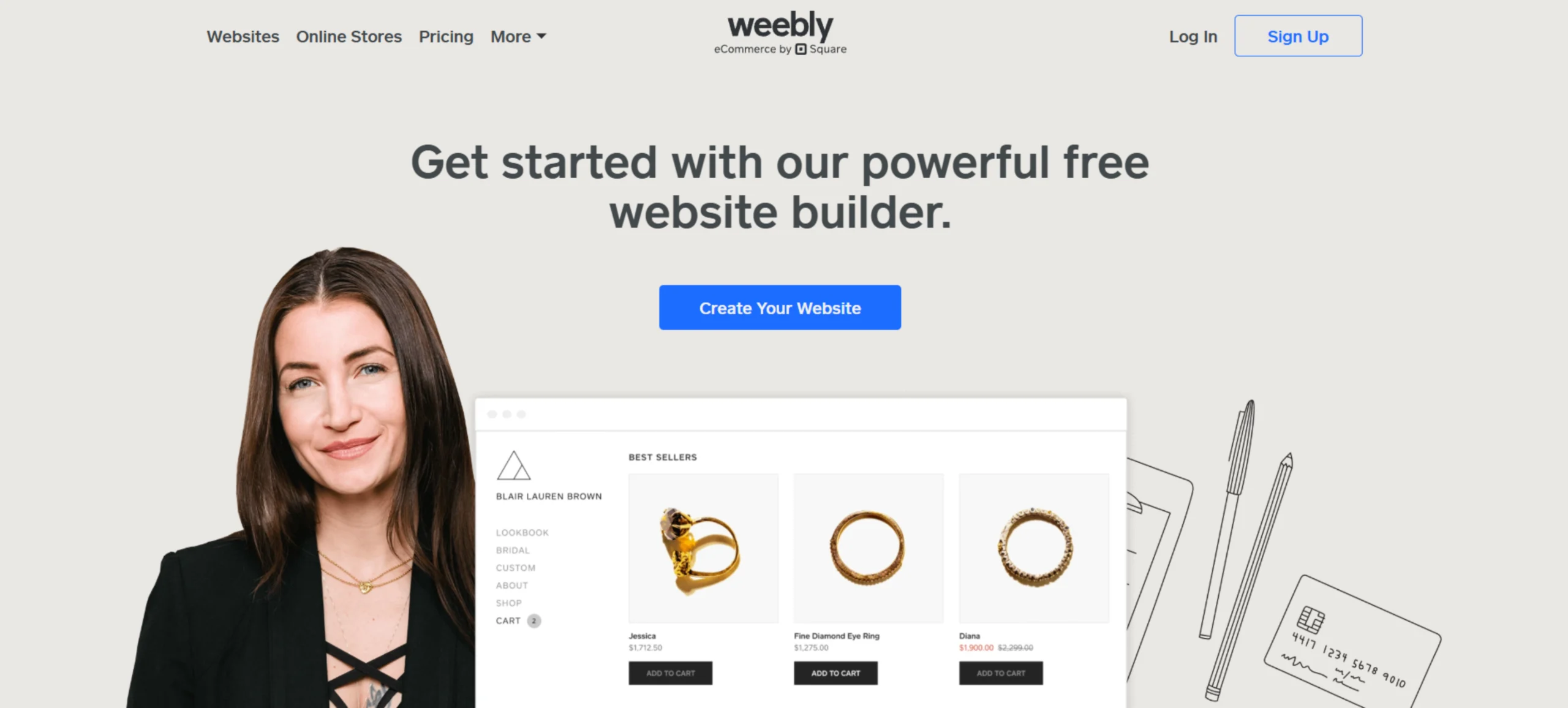
Weebly is an easy website builder that helps users create websites and online stores using a simple drag‑and‑drop editor. It offers customizable designs and built‑in tools to launch a site quickly.
Best for: Beginners, individuals, and small businesses
Key features:
Pros:
Cons:
Why choose Weebly?
Beginner-friendly drag-and-drop store builder with essential eCommerce and SEO features.
| Platform | Best for | Pricing (monthly) |
| Shopify | Startups to enterprise brands | Starter: $5 Basic: $39 Grow: $105 Advanced: $399 Plus: $2,300 |
| Magento (Adobe Commerce) | Large-scale/enterprise | Contact Adobe |
| WooCommerce | Content-driven, SEO-focused stores | Free plugin (hosting, domain, themes extra) |
| Wix eCommerce | Small businesses & beginners | Light: $17 Core: $29 Business: $39 Business Elite: $159 |
| BigCommerce | Fast-growing businesses | Standard: $29 Plus: $79 Pro: $299 Enterprise: Custom |
| GoHighLevel (GHL) | Agencies & service-based businesses | Starter: $97 Unlimited: $297 Agency Pro: $497 |
| Squarespace Commerce | Design-focused brands | Basic: $25 Core: $36 Plus: $56 Advanced: $139 |
| Webflow eCommerce | Designers & creative agencies | Starter: Free Basic: $14 CMS: $23 Business: $39 Enterprise: Custom |
| OpenCart | Budget-conscious businesses | Software: Free Hosting/add-ons: Variable |
| PrestaShop | Small to medium businesses | Core software: Free Paid modules/hosting as required |
| Salesforce Commerce Cloud | Large enterprises | Contact Salesforce |
| Shift4Shop | Small to medium businesses | $41 |
| Volusion | Small to medium businesses | Personal: $35 Professional: $79 Business: $299 Prime: GMV-based |
| Square Online Store | Small online businesses | Free: $0 Plus: $49 Premium: $149 |
| Weebly | Beginners & small businesses | Free: $0 Personal: $10 Professional: $12 Performance: $26 |
Choosing the right eCommerce website builder depends on your business needs and growth plans. Shopify is ideal for scaling brands, Wix and Squarespace suit beginners, WooCommerce offers full customization for WordPress users, and BigCommerce or Shift4Shop are great for advanced features. For visually rich, mobile‑friendly stores, Webflow and Square Online work best. Test a few options to find the one that fits your budget, features, and long-term goals.
Question: How do I balance cost vs features when choosing a builder?
Answer: Don’t pick solely based on monthly fees. Consider transaction fees, app costs, payment gateways, and marketing tools. Sometimes a slightly more expensive platform saves time and boosts revenue with built-in features.
Question: Which platforms are best for mobile-first shoppers?
Answer: Mobile-optimized stores are essential, as most customers shop on smartphones. Webflow, Square Online, Shopify, and Wix all provide responsive designs and smooth mobile checkout experiences.
Question: Can I integrate multiple sales channels easily?
Answer: Yes, platforms like Shopify, BigCommerce, and Square Online support multi-channel selling, including social media, marketplaces, and physical stores, directly from your dashboard.
Question: Can I switch my eCommerce platform if I outgrow it?
Answer: Yes, but migration can be complex. Moving products, customers, SEO settings, and payment setups requires careful planning. Choosing a scalable platform from the start reduces future hassle. Read more about migration from our guide.


The Shopify Basic plan costs $39/month ($29/month with annual billing) and is perfect for beginners and small businesses.
Over the last few years, I’ve personally helped multiple brands shift from manual bulk orders to fully automated B2B systems.

From my experience working with eCommerce founders and scaling Shopify stores, one thing is clear: choosing the right Shopify agencies UK brands partner with can directly impact growth, conversions, and long-term success.