


Migrating your store from Shopify to WordPress (WooCommerce) can feel challenging at first, especially when you have already invested time and effort into building your online business.
But for many brands, it’s not just a platform switch; it’s a smart business decision that unlocks more flexibility, complete ownership, and long-term cost savings.
I’m Anurag Pandey, and for over 17 years, I have worked with brands of all sizes to help them move their eCommerce stores safely between platforms, particularly from Shopify to WordPress. What I have learned is simple: with the right plan, the right tools, and a little patience, your migration can be smooth, secure, and even exciting.
In this guide, I will walk you through everything you need to know, from understanding migration costs to expert tips that ensure your eCommerce store runs smoothly after the switch.
Before starting your migration journey, it’s essential to understand where your money goes and what you gain in return.
Unlike Shopify, which bundles hosting, security, and updates into one monthly fee, WooCommerce runs on WordPress, giving you full control but also a few extra responsibilities.
Here’s a detailed look at the cost structure involved when you migrate from Shopify to WooCommerce:
| Category | Description | Estimated Cost (USD) |
| Domain & Hosting | Shopify includes hosting; WooCommerce requires you to buy hosting (e.g., SiteGround, Hostinger, WP Engine). | $100–$300/year |
| Theme & Design | Free WooCommerce themes (like Storefront) or premium ones from ThemeForest or Elementor. | $0–$100 (free) or $50–$250 (premium) |
| Migration Tools | Tools like Cart2Cart or LitExtension automate product/customer/order migration. | $50–$200 (one-time) |
| Plugins (Extensions) | For SEO, payments, email marketing, etc. (Yoast SEO, WooPayments, Mailchimp, etc.) | $100–$300/year |
| Development/Customization | If hiring a developer for setup, theme matching, or design. | $300–$2000 (depending on complexity) |
| Maintenance & Updates | WooCommerce is self-hosted, so you’ll handle backups, plugin updates, and security. | $20–$100/month |
| Optional Add-ons | CDN (Cloudflare), cache plugins, or custom checkout features. | $50–$150/year |
Average migration cost:
Migrating from Shopify to WordPress (WooCommerce) is something I have helped dozens of brands do, from small local sellers to global D2C labels.
And while it might sound technical, the truth is, with the right plan and attention to detail, it can be surprisingly smooth.
I have seen how a well-managed migration not only protects your online store data but also improves your website’s performance, SEO, and overall customer experience.
Here’s exactly how my team and I usually approach it step-by-step
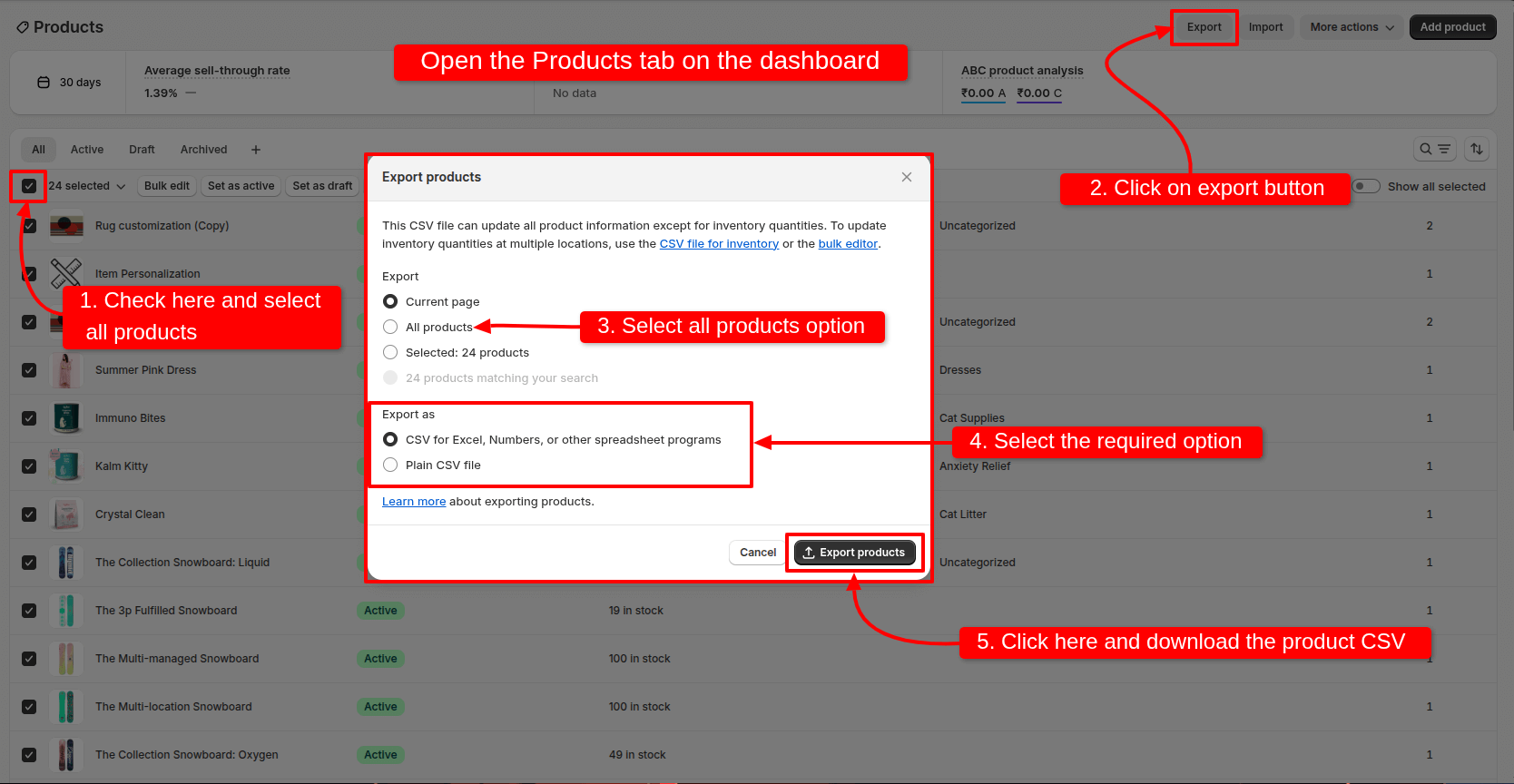
The very first thing I always recommend, create a full backup.
Over the years, I have seen clients skip this step and lose critical customer or order data.
Go to your Shopify Admin → Export Data, and download your:
If you have a large Shopify store, tools like Matrixify (Excelify) help export everything, including images and metadata.
My tip: Keep your backup on Google Drive or Dropbox, labeled by date.
It’s your safety net; if anything goes wrong, you can restore everything in minutes.
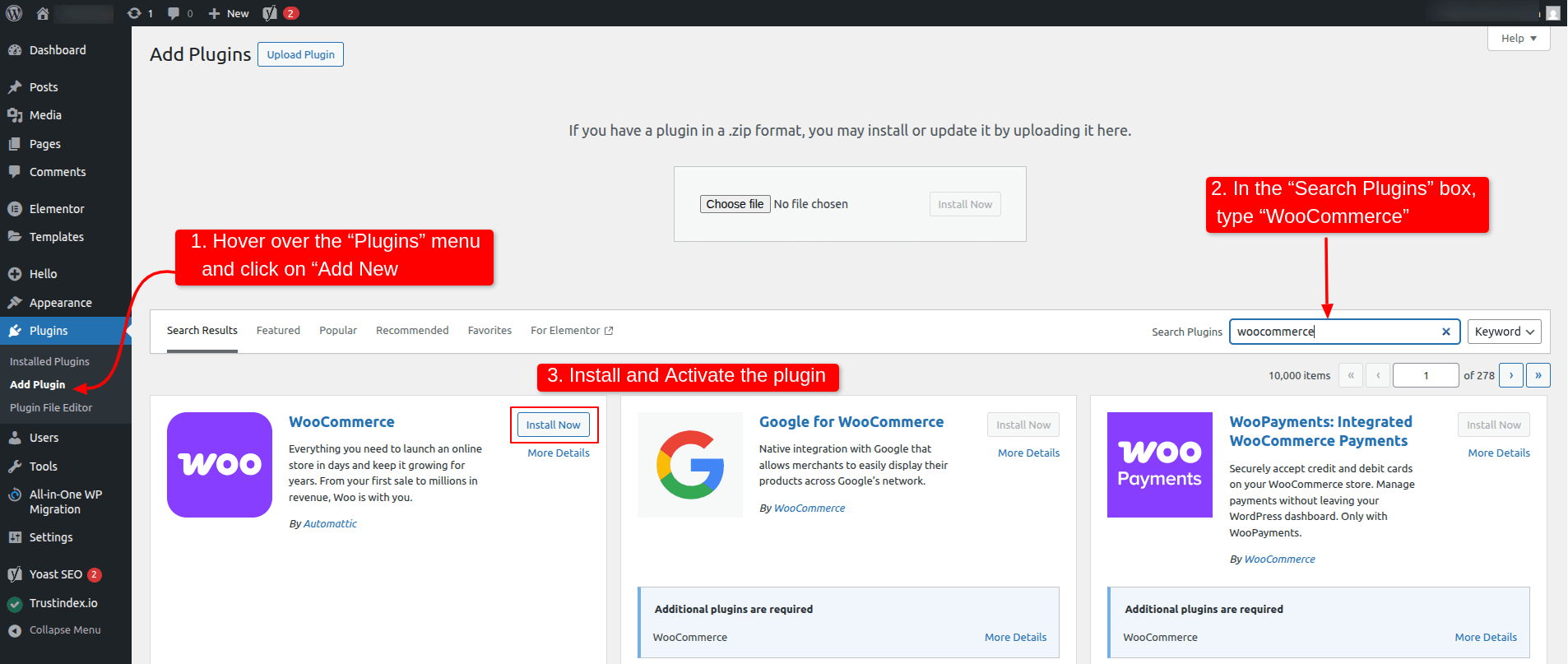
Once the data is secure, it’s time to set up your new base.
Personally, I have had great experiences using SiteGround, Hostinger, and WP Engine for clients; they’re reliable, fast, and handle WooCommerce beautifully.
Install WordPress, then add the WooCommerce plugin.
During the initial setup, configure:
This part is like building the foundation of your new digital home, solid, secure, and scalable.
After setting up WooCommerce, the next step is to move your data.
I have tested multiple tools over the years, and the ones that consistently deliver are Cart2Cart and LitExtension.
They save you hours of manual work by automatically transferring:
You just connect your Shopify store, connect your new WooCommerce store, map your fields, and let the tool do its job.
From experience: For large inventories, I prefer doing the migration in two phases, products first, then customers and orders, it keeps things cleaner and easier to verify.
Once the migration runs, it’s time to double-check the results.
In my projects, I always go through:
Sometimes a few image paths or SKUs may not align perfectly, so I make it a habit to verify at least 10–15 random entries before marking the migration complete.
Pro Tip: Rename product slugs to SEO-friendly URLs, short, descriptive, and keyword-rich. This small step often improves rankings post-migration.
This is the part where the store starts feeling like you again.
I usually recreate the same look and feel using Elementor or Blocksy, keeping brand colors, fonts, and layouts consistent.
Your returning customers shouldn’t feel lost; they should feel like the store just got an upgrade.
Common design tweaks I make:
In my experience, WooCommerce gives you far more creative freedom. You can keep your original design or finally build the eCommerce store you always wanted but couldn’t achieve on Shopify.
In Shopify, we have Collections; in WooCommerce, we use Categories and Tags.
I map every collection to a new category and add relevant tags for filters like color, size, or fabric.
For example:
My tip: Keep categories simple, don’t over-nest them. Three levels deep is ideal for SEO and easy navigation.
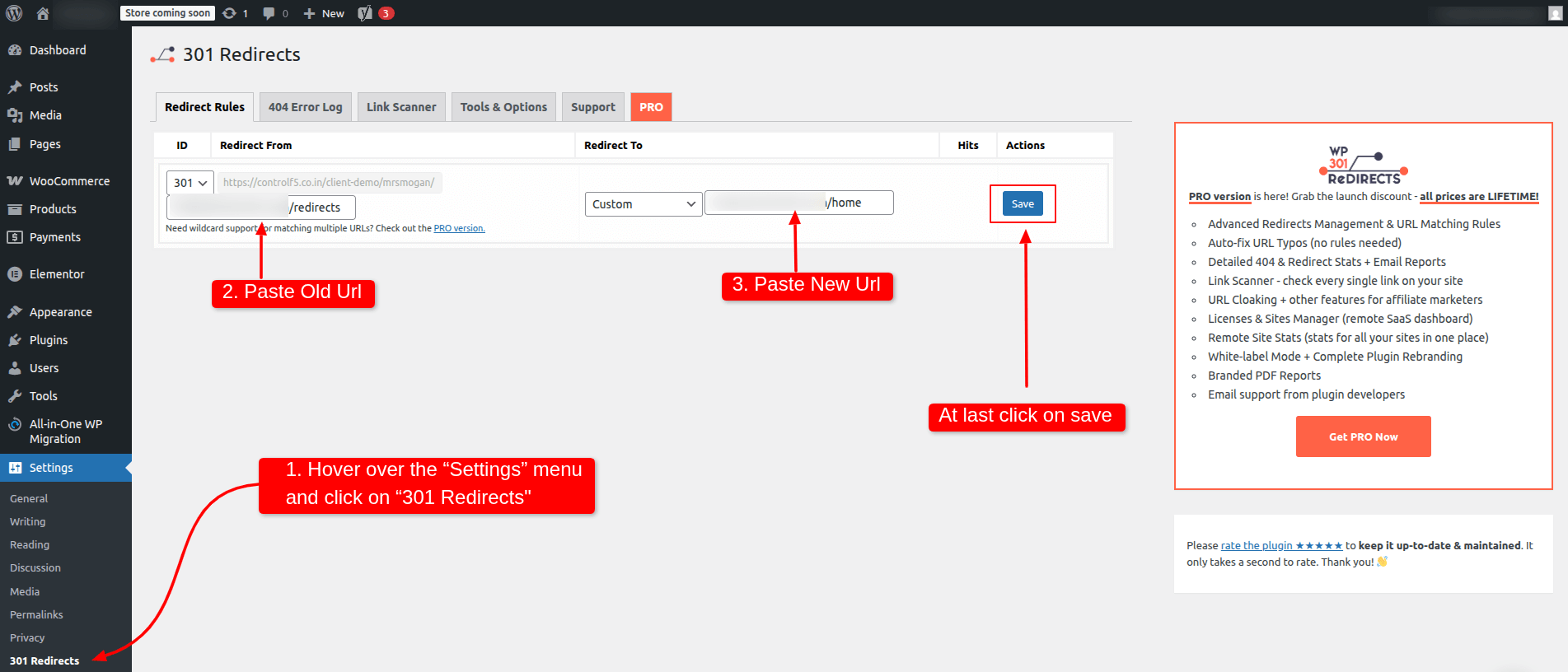
If you have ever spent months building your Google ranking, you don’t want to lose it now.
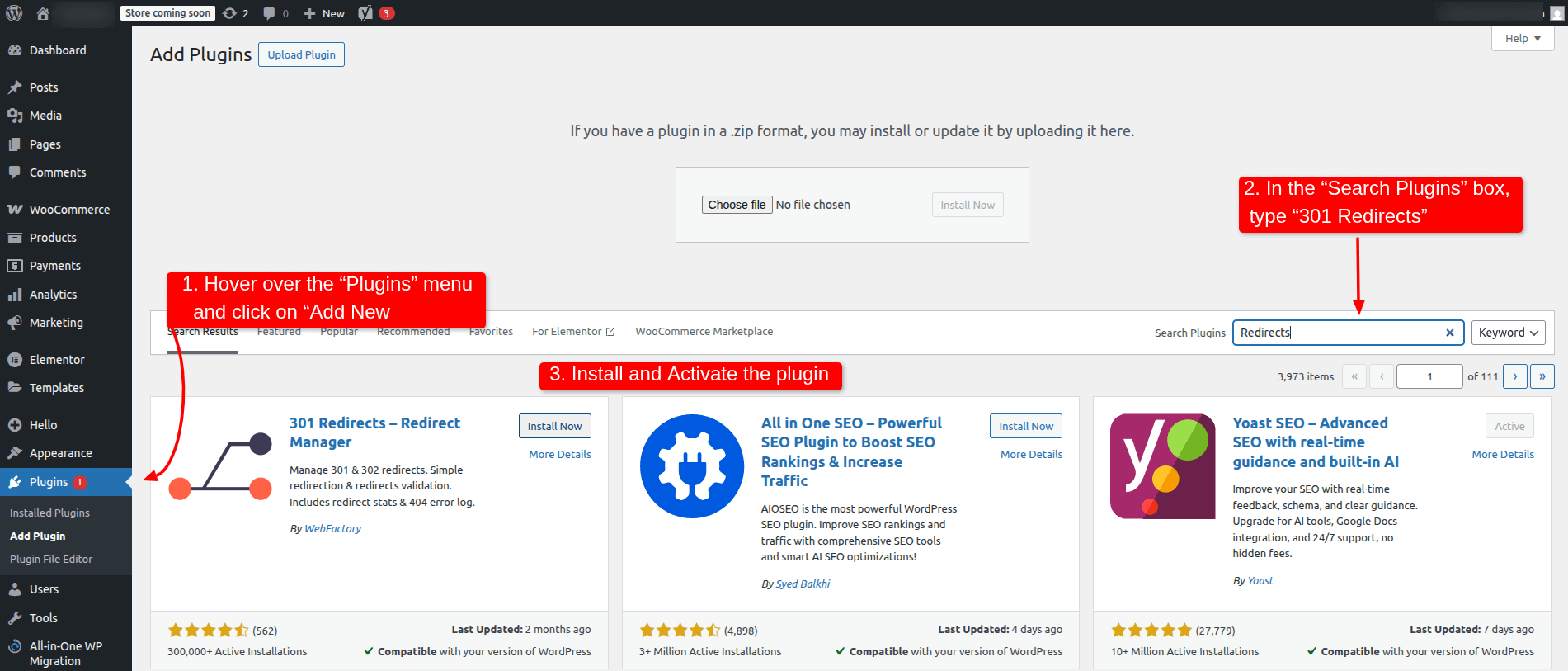
That’s why I always implement 301 redirects for all old Shopify URLs.
I use plugins like Redirection or Rank Math and double-check them through Google Search Console.
Example:
/products/summer-maxi-dress → /product/summer-maxi-dress
What I have learned: This single step can protect up to 80% of your organic traffic after migration.
Never skip it.
For a detailed walkthrough, check out this WordPress Elementor SEO Optimization Guide 2025, where I have shared proven techniques to keep your website ranking high post-migration.
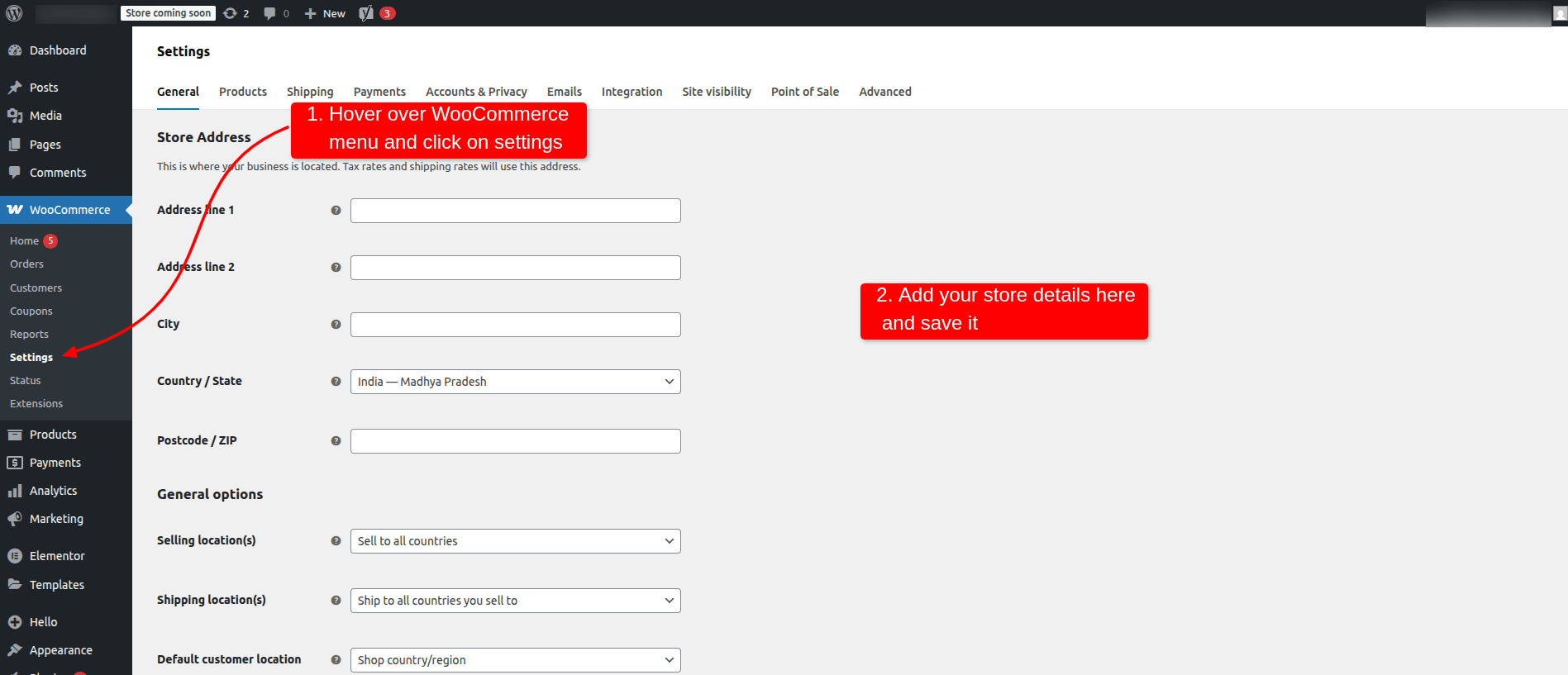
At this point, your online store is almost ready to go live.
Now, it’s time to integrate payment gateways options.
For Indian merchants, I usually recommend Razorpay or Cashfree Payments because they support UPI and offer great conversion rates.
For international clients, PayPal and Stripe remain top choices.
Go to WooCommerce → Settings → Payments, activate your gateways, and run a few test transactions.
My practice: I always test both successful and failed payments; this ensures the store handles every possible user action correctly.
I am a strong believer that speed = sales.
Once the WordPress store is migrated, I run optimization across all pages.
Tools and techniques I use:
And yes, I test every layout on mobile devices.
In my experience, over 70% of sales come from mobile users, and ensuring pixel-perfect responsiveness directly boosts conversions.
The final step, the one I never skip, is testing every possible scenario before going live.
My checklist includes:
From my experience, I always advise clients to place 2–3 real test orders. It gives confidence that everything, from payment to fulfillment, works exactly as intended.
After years of helping eCommerce brands move from Shopify to WordPress (WooCommerce), I have learned that the secret to a smooth migration lies in preparation, testing, and precision.
Here are some of my most valuable lessons that ensure your eCommerce store stays fast, stable, and SEO-friendly after the switch.
Before migration, export your Shopify meta titles, descriptions, and URLs to preserve your SEO data.
Once on WooCommerce, import them using Rank Math or Yoast SEO. With a proper WordPress SEO Optimization Guide, small step keeps your Google rankings steady and prevent sudden traffic drops.
Always create 301 redirects for your old Shopify URLs to point to your new WooCommerce links.
Using plugins like Redirection or Rank Math Pro, you can easily maintain your SEO equity and ensure customers never hit broken pages after the move.
Before launching, I always place multiple test orders, prepaid, COD, and refund scenarios.
This helps confirm that payment gateways, shipping rates, and emails work smoothly. A few test runs today can save you hundreds of support tickets tomorrow.
Shopify compresses images automatically, but WooCommerce doesn’t.
Install plugins like Smush or ShortPixel, convert to WebP, and use lazy loading. Optimized images make your new website faster and improve your Core Web Vitals instantly.
When recreating your Shopify layout, Elementor and WooCommerce Blocks make design easy.
You can drag, drop, and fully customize your store’s pages, achieving a modern, mobile-friendly layout without touching code.
From my projects, hosting quality directly impacts speed and stability.
I recommend SiteGround, Hostinger, or WPX Hosting for WooCommerce; they provide strong uptime, quick support, and optimized performance for eCommerce sites.
For a detailed overview of reliable hosting, you can explore our detailed guide on the best WordPress Hosting for your website.
Enable SSL, install Wordfence or Sucuri, and schedule backups using UpdraftPlus.
Automated security and backups protect your store from hacks, crashes, or plugin errors, giving you peace of mind post-launch.
Connect Google Analytics and Search Console immediately after launch.
Monitoring traffic, indexing, and keyword rankings early helps spot issues fast and measure the success of your migration.
In my experience, migrations succeed when you focus on stability, not speed.
If you test, secure, and track every detail, your new WooCommerce store will not just replace Shopify, it’ll outperform it.
Once your WooCommerce store is live, you can follow this Elementor website speed optimization guide to make your WordPress website load faster and perform better.
Move from Shopify to WooCommerce if:
Stay on Shopify if:
Migrating doesn’t have to break the bank. Here are quick ways to cut costs without cutting corners:
These small steps can reduce migration costs by up to 40% while keeping your store fast and SEO-friendly.
If you ever decide to move the other way around, here’s a step-by-step guide on migrating from WooCommerce to Shopify to help you switch platforms smoothly.
I have seen too many brands struggle when moving from Shopify to WordPress, losing SEO rankings, breaking layouts, or spending weeks fixing what could’ve been done right the first time. That’s exactly why I started helping businesses with smart, hands-on migration support.
At ControlF5, my team and I don’t just move data; we rebuild your store’s foundation with performance, design, and scalability in mind. Every migration we do is carefully planned, tested, and optimized to keep your business running without interruptions.
If you are ready to switch platforms confidently, my team and I would love to guide you through it.
Book a free consultation today, and let’s make your Shopify migration service or WordPress migration service smooth, fast, and worry-free.
1. How long does the Shopify to WordPress migration take?
It usually takes 5–10 days depending on your store size, number of products, and customizations. Larger stores with complex data or apps may take up to 2–3 weeks for a full migration and testing phase.
2. Can I migrate my customers and orders too?
Yes, absolutely. Using reliable migration tools and database mapping, we transfer all your products, customers, and order history to WordPress, so you never lose essential business data.
3. How do I ensure my SEO ranking doesn’t drop?
We handle 301 redirects, metadata transfer, and sitemap updates to maintain your existing search visibility. With proper redirects and WordPress SEO plugin setup (like RankMath or Yoast), your rankings stay intact during and after migration.
4. Do I need technical skills for migration?
Not at all. My team and I at ControlF5 handle everything, from setup to testing, so you can focus on your business while we manage the technical side smoothly and securely.
5. What’s the average cost of migration?
The cost varies based on your store’s size and customization level, but typically ranges between $600–$4,000. Smaller stores cost less, while full-scale eCommerce migrations with design tweaks or SEO work fall on the higher end.






Is your Shopify store loading slowly? Explore 11 hidden causes that affect website speed and learn how to fix common performance issues.
In this blog, I am sharing the BFCM strategies 2026 and offer tips that I have seen work again and again.

Below are 10+ of the best white label WordPress agencies in the USA, picked using things you can actually verify: Clutch ratings, founding years, real named clients, and what they specialize in. No fluff, no “trust us.”