

Are you a business owner stepping into the e-commerce world and thinking how much does an online store cost?
You might feel confused while trying to find a clear answer, as e-commerce website development costs are changing widely.
With so many factors—like platform choice, web design complexity, features, and marketing expenses—it’s easy to get confused.
Having a proper budget and financial understanding is important for every e-commerce business owner. Without it, you might overspend or miss out on essential features that impact your ecommerce store’s success.
But don’t worry!
In this blog, I will provide you with a detailed breakdown of e-commerce website setup expenses, that helps you to understand the key cost factors.
By the end, you will have a clear idea of what to expect and how to budget for e-commerce website wisely for your online ecommerce store.
Building an e-commerce website involves more than just buying a domain and setting up an ecommerce store.
It requires investment in multiple areas, such as web design, ecommerce website development, security, hosting, and marketing.
The total e-commerce website development cost can range from a few hundred dollars for a basic ecommerce store to tens of thousands for a custom-built enterprise solution.
The cost to build an online store depends on several key factors, including:
1. The platform you choose: SaaS platforms like Shopify have different pricing than open-source platforms like WooCommerce.
2. The complexity of the design: A simple template is cheaper than a custom design.
3. The features required: Advanced functionalities like AI-powered search, multi-language support, and subscription billing increase costs.
4. Additional integrations: Tools like email marketing, CRM, SEO, and payment gateways add to the budget.
Many businesses fail to consider hidden costs which can significantly impact the cost to start an online business.

Budgeting allows businesses to allocate resources effectively while preventing overspending.
Without a clear budget, you risk underestimating the website cost for an e-commerce startup, leading to unfinished projects or unexpected expenses.
A well-planned budget also ensures that essential features, such as mobile design responsiveness and SEO, are not compromised.
The first step in setting up an online ecommerce store is purchasing a domain and selecting a hosting provider.
Domain Name: This is your ecommerce store’s web address (e.g., www.yourstore.com). A domain name typically costs between $10 – $50 per year, but premium domains can cost hundreds or even thousands of dollars.
Hosting: Hosting is where your website’s data is stored. The cost depends on the type of hosting you are selecting for your ecommerce store.
The table below provides a clear breakdown of e-commerce website costs, including the different types of hosting and their associated expenses.
| Type of Hosting | Cost | Best suited for |
| Shared Hosting | $5 – $15/month | Ideal for small stores |
| VPS Hosting | $20 – $100/month | Better performance and security |
| Dedicated Hosting | $100 – $500+/month | For large businesses |
| Cloud Hosting | $50 – $300/month | Scalable and reliable |
Some platforms, like Shopify, offer built-in hosting, reducing e-commerce website setup expenses.
However, open-source platforms like WooCommerce or Magento require external hosting, adding to online store development charges.
Choosing the right e-commerce platform significantly impacts web development costs.
The three main types of platforms are as follows:
1. SaaS (Software as a Service): These saas platforms provide everything in one package, including hosting, security, and updates. Examples: Shopify, BigCommerce.
2. Open-Source Platforms: These platforms (like WooCommerce and Magento) are free but require separate hosting and development.
3. Custom-Built Stores: These are developed from scratch, based on specific business needs.
The table below provides website cost for e-commerce startups as follows:
The table below provides website cost for e-commerce startups as follows:
| Platform Type | Examples | Pricing | Pros |
| SaaS | Shopify, BigCommerce | $29 – $299/month | Easy setup, hosting included |
| Open Source | WooCommerce, Magento | Free (hosting extra) | Highly customizable |
| Custom Build | Custom Development | $10,000+ | Based on business needs |
Choosing the right platform is essential for keeping e-commerce platform pricing comparison in check while balancing features and scalability.
Design and development are crucial aspects of building an e-commerce store. A well-designed, user-friendly website increases customer experience, and engagement, and drives conversions.
Your ecommerce website design should be intuitive, mobile-friendly, and aligned with your brand, while ecommerce web development ensures smooth functionality, secure transactions, and fast load times.
The cost of e-commerce website design and development changes based on customization and expertise.
Below is the breakdown of the available options.
Pre-Made Themes:
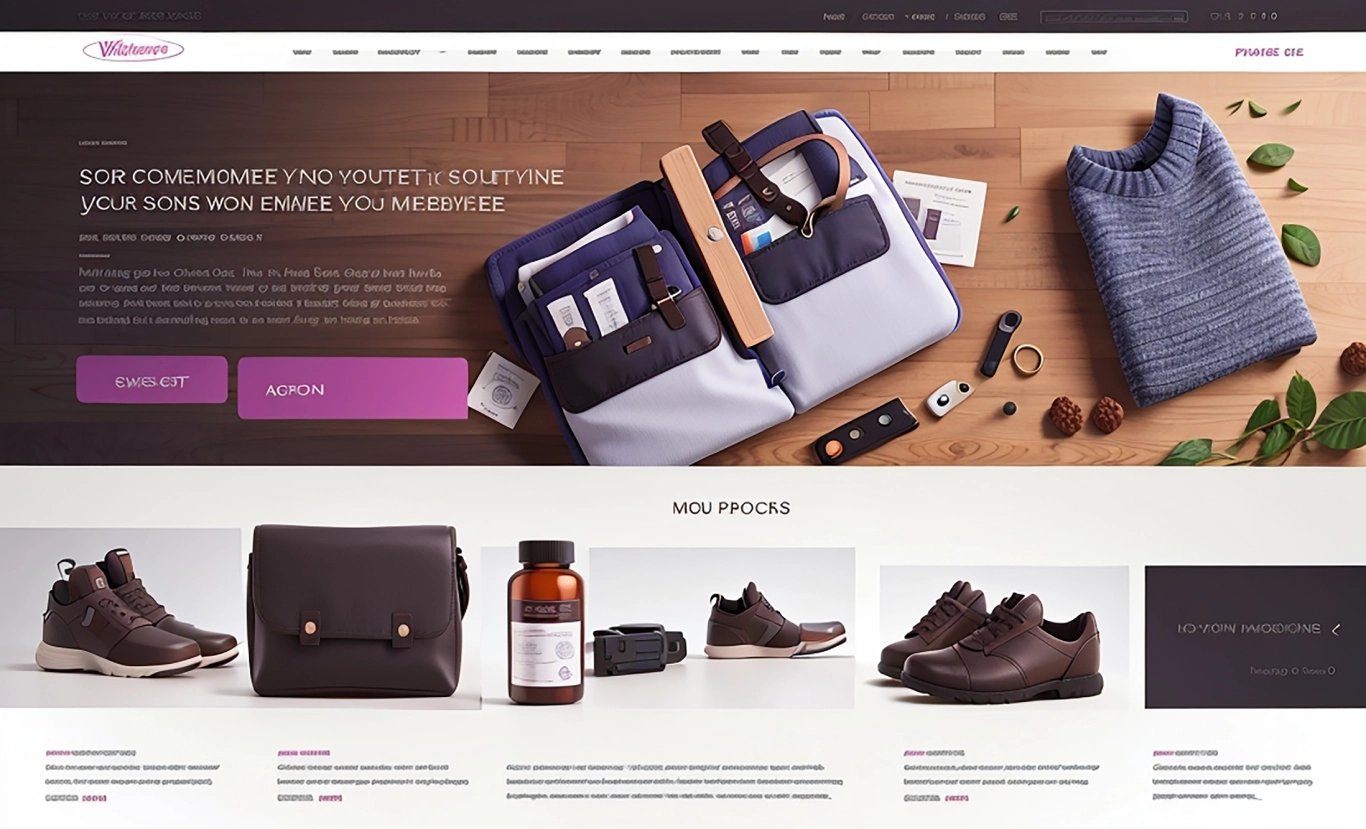
Pre-made themes are ready-to-use templates for platforms like Shopify, WooCommerce, and Magento.
They are an affordable option, ideal for startups and small businesses looking to launch quickly with minimal customization.
Cost Range: $0 – $300 (Depending on the theme you select)
Custom-Designed Themes:
Custom-designed themes offer a unique, custom solution created by a professional UI/UX designer or agency to match your brand identity.
They ensure consistency across digital channels and help optimize conversions.
Cost Range: $1,000 – $10,000 (May vary by features)
💡 Related Read: Want to reduce cart abandonment and increase sales? Discover 12 powerful strategies to optimize your checkout process and boost conversion rates!
Full Agency Development Costs:
Large businesses that require a highly customized, scalable, and secure e-commerce solution should consider hiring a professional e-commerce development agency as the best approach to building a high-performance online store.
Agencies provide a full range of services, including:
Cost Range: $10,000 – $50,000+
Below is a clear comparison of E-commerce website development costs:
| Design & Development Option | Cost Range | Best For | Customization Level | Time to Launch |
| Pre-Made Theme | $0 – $300 | Small businesses, startups | Low | 1 – 7 days |
| Custom-Designed Theme | $1,000 – $10,000 | Growing brands, mid-sized businesses | Medium to High | 2 – 6 weeks |
| Full Agency Development | $10,000 – $50,000+ | Large businesses, enterprises | High | 2 – 6+ months |
For small businesses looking for affordable e-commerce website development, pre-made themes can be a cost-effective way to get started.
However, for businesses that need a unique, highly functional, and scalable store, investing in a custom design or full agency development will provide long-term benefits.
The features you add to your e-commerce store directly impact e-commerce website development pricing.
Some key features include are as follows:
💡 Related Read: Want to build an online store but not sure where to start? Check out this detailed guide on How to Build an E-Commerce Store with WordPress Gutenberg Blocks and WooCommerce—everything you need to get started, step by step!
There are additional costs involved in developing an e-commerce store beyond the basic setup.
These extra expenses include:
Many businesses require custom integrations to increase the functionality, improve efficiency, and smooth operations.
Here are some key integration costs:

External tools help businesses manage marketing, customer relationships, and analytics effectively:
Regular maintenance ensures your e-commerce store remains secure and performs optimally:
Beyond website development, running an e-commerce business requires additional investments in inventory, marketing, and legal compliance.
Some of the other expenses are:
For businesses selling physical products, sourcing inventory is a major expense:
Marketing plays a key role in attracting customers and driving sales:
Every e-commerce business must comply with legal and regulatory requirements:
Here is the E-commerce platform pricing comparison based on budget categories, estimated costs, and key features to help you make an informed decision when building your online store.
| Budget Category | Estimated Cost | Key Features |
| Low-Budget Setup | $500 – $2,000 | Basic store, pre-made themes, minimal features |
| Mid-Range Setup | $2,000 – $10,000 | Custom design, advanced plugins, professional development |
| High-End Custom Store | $10,000 – $50,000+ | Enterprise-level solutions, AI-driven features, scalability |
Several factors affecting e-commerce store costs for developing an e-commerce store.
Understanding these elements helps planners effectively plan their budgets.
The cost varies based on your business type such as small startup, mid-sized business, or large enterprise.
A larger ecommerce store with more products, website traffic, and features requires a higher investment.
Advanced features like AI-powered search, multi-language support, product personalization, and subscription billing add to E-commerce website development cost.
The more complex the functionalities, the higher the expenses.
A well-designed, user-friendly website increases engagement and conversions.
Pre-made themes are cost-effective, while custom UI/UX designs offer a unique brand experience but require a larger budget.
Secure payment processing is essential for customer trust. Integration with multiple payment gateways and compliance with security standards (SSL, PCI DSS) adds to the overall cost.
Higher security measures mean additional investment.
Understanding the e-commerce website development cost is crucial for planning your online business. Whether opting for affordable e-commerce website development or an enterprise solution, the right approach depends on your ecommerce business goals, budget, and platform choice.
Before deciding on your budget, consider all e-commerce business startup expenses beyond website development, including marketing and inventory. Investing wisely will set you up for long-term success.
At ControlF5, we specialize in web design, development, and scaling of e-commerce websites based on your business needs.
We can help you build a Shopify store, WooCommerce website, or a custom-built platform, our ecommerce web development experts team ensures a cost-effective, high-performing online store that aligns with your goals.
You can also make a plan to launch a mobile app for your Shopify store with our Shopify Mobile App Builder, which makes it easy to create your mobile app with a simple drag-and-drop editor, no coding required.
With a proven track record on Upwork and Clutch, we have successfully delivered numerous e-commerce projects and are recognized among the Top 10 Shopify Agencies.
You can contact us today for a consultation and build your e-commerce store efficiently—without unnecessary costs!


From my experience working with eCommerce founders and scaling Shopify stores, one thing is clear: choosing the right Shopify agencies UK brands partner with can directly impact growth, conversions, and long-term success.
Every successful Shopify Plus store I’ve worked with in Milton Keynes has one thing in common: the right Shopify partner behind the scenes.
Choosing a jewelry business name sounds simple until you actually try to do it. While working with founders at ControlF5, I’ve seen many Shopify and eCommerce jewelry stores get stuck at this exact step