

Your customer opens ChatGPT and types: “recommend a good leather wallet under ₹2000.”
ChatGPT thinks for a second. Then it recommends three products — with images, prices, and a buy link.
Your shopify store isn’t one of them.
That’s agentic ecommerce. And right now, most Shopify store owners have no idea it’s already costing them sales.
This guide will show you exactly what agentic ecommerce is, how AI platforms like ChatGPT, Google AI Mode, and Perplexity decide which products to recommend — and what you need to do so your Shopify store shows up in those conversations.
Agentic shopify ecommerce is a shift in how people shop online.
Instead of going to Google, typing a query, clicking links, browsing websites, and eventually adding to cart — shoppers are now asking AI assistants directly. They describe what they need in plain language, and the AI recommends specific products, compares options, and in some cases, completes the purchase right inside the chat.
No scrolling. No tab-switching. One question, one answer, one buy.
Here’s the scale of it: AI-driven traffic to ecommerce stores grew 693% year-over-year during the 2025 holiday season, according to Adobe Analytics. In Q1 2026 alone, AI-referred orders on Shopify grew nearly 13 times compared to the same period the previous year.
And here’s what makes it different from normal search traffic: AI-referred shoppers convert 31% more than visitors from other channels, and they’re 33% less likely to bounce. These are not casual browsers. They come with intent.
The question is: when someone asks ChatGPT or Perplexity for a product in your category, does your store show up?
Agentic commerce is part of the broader shift toward AI autonomous ecommerce, where AI assistants help customers discover, compare, and purchase products with minimal manual browsing.
Not all three platforms work the same way. Understanding the difference helps you optimize correctly.
ChatGPT doesn’t crawl the web the way Google does. It pulls product data from two main sources: Bing’s search index and Shopify’s direct catalog integration.
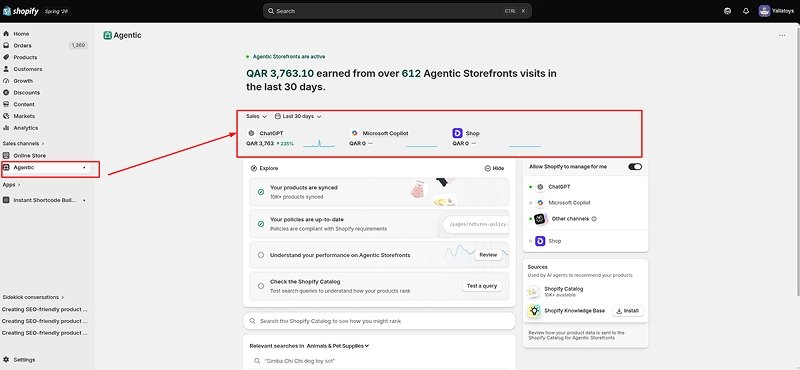
In March 2026, Shopify launched Agentic Storefronts — a system that syndicates your product catalog directly into ChatGPT. For eligible Shopify merchants, your products are automatically fed into ChatGPT’s shopping system. When a user asks a relevant shopping question, ChatGPT can surface your product, show the image and price, and send the customer to your store to complete checkout.
But being listed doesn’t mean being recommended. ChatGPT interprets your product data — if your titles are vague, descriptions are thin, or your pricing is out of date, the AI skips you. The pipeline is there. The content quality has to come from you.
Google AI Mode now appears on over 60% of commercial searches. It pulls product recommendations directly into the results page — above traditional organic listings.
Shopify merchants can opt into this through Agentic Storefronts in the admin (Settings > Sales Channels). Google uses your Google Merchant Center feed alongside structured data on your product pages. If your feed is incomplete or your schema markup is thin, you won’t appear in AI-generated shopping panels — even if you rank on page one.
Before enabling AI shopping channels, make sure your Shopify Markets are configured correctly so customers in every region see the right products, pricing, and currencies.
Perplexity works differently. It’s a live web crawler — it searches in real time, synthesizes what it finds, and cites sources. It also has a Merchant Program that gives Perplexity direct access to your product data, dramatically improving how accurately your products appear.
Here’s what’s surprising: 46.7% of Perplexity’s top product citations come from Reddit. Real user reviews, forum discussions, and community posts about your products carry huge weight. Perplexity treats these as high-trust sources because they reflect genuine buyer experiences.
Being on Shopify is not enough. Most stores that are technically integrated still never appear in AI recommendations.
Here’s why.
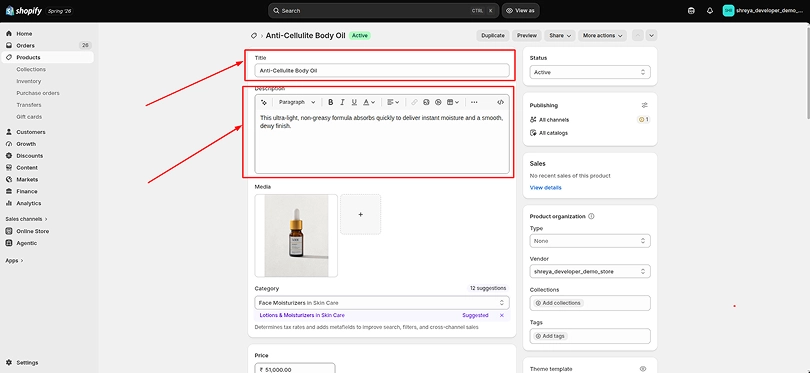
Thin product data. A title like “Blue Bag” tells an AI nothing. A title like “Structured Vegan Leather Tote Bag — Laptop Fits Up to 15 Inches, Available in 3 Colors” gives the AI the material, function, size, and variants it needs to confidently recommend your product. The more context you give, the easier it is for AI to match your product to a shopper’s query.
Missing schema markup. Schema markup is machine-readable code that tells AI systems exactly what you sell, what it costs, whether it’s in stock, and what customers think of it. Most Shopify themes include only basic schema — just a name, price, and image. That’s not enough. AI platforms need complete Product JSON-LD: brand, GTIN/barcode, aggregate rating, availability, and full offer details.
Blocked AI crawlers. Some Shopify stores — often from outdated robots.txt settings — are accidentally blocking the bots that power AI search. You need to allow: OAI-SearchBot, PerplexityBot, ChatGPT-User, and Google-Extended. If these are blocked, no optimization in the world will help.
No presence in third-party sources. ChatGPT and Perplexity don’t just pull from your store. They look at what the broader web says about your products. Review platforms, niche blogs, comparison sites, and yes — Reddit. If your brand isn’t being talked about anywhere other than your own website, AI has very little to trust.
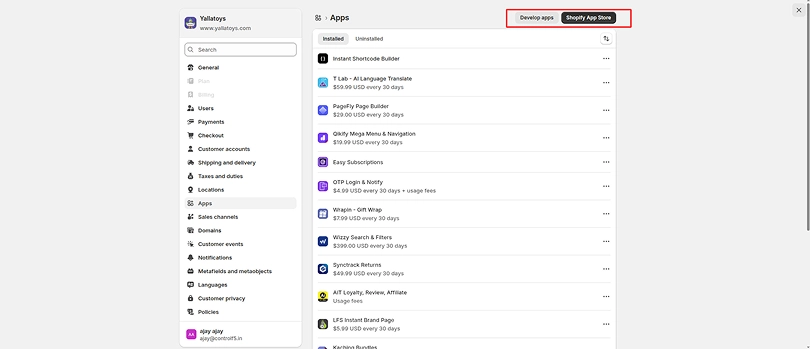
Go to shopify Settings → Sales Channels. You’ll see toggles for ChatGPT, Google AI Mode, Microsoft Copilot, and Perplexity (early access). Turn them on. For Perplexity specifically, also apply directly to the Perplexity Merchant Program — free to join, and it significantly improves how your products appear in Perplexity results.
If you’re wondering how this works in a real business, see how we helped two brands build multiple Shopify Markets with localized languages, currencies, and customer experiences.
Write titles like a knowledgeable person would describe the product out loud. Include material, use case, size, audience, or occasion where relevant. Your descriptions should answer the questions a shopper would actually ask — not just list features, but explain why those features matter for the buyer’s situation.
AI models don’t respond to marketing fluff. They respond to clarity and specificity.
Fix-Your-Product-Titles-and-Descriptions-in-shopify
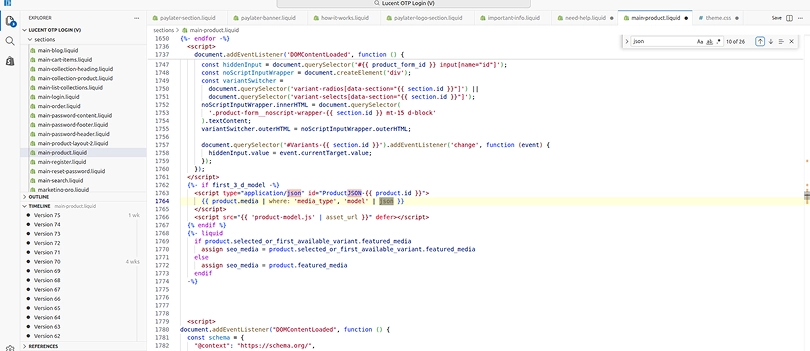
Every product page needs a full Product JSON-LD block with:
If editing shopify theme code isn’t your thing, a Shopify app that injects schema via Theme App Extensions works without touching your code.
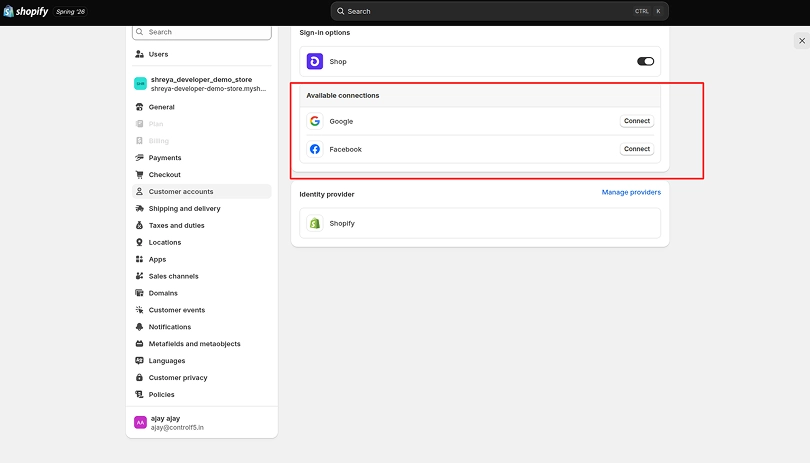
Install the Google & YouTube app in your Shopify admin and connect to Google Merchant Center. This feeds your product data into Google’s AI shopping systems — including AI Mode and Gemini. Keep your feed clean: accurate prices, real stock levels, correct categories.
Make sure these crawlers are allowed in your Shopify robots.txt:
Blocking any of these = invisible to that AI platform. This is a quick check that’s easy to miss.
Get your products talked about beyond your own website. This means:
Every legitimate mention of your products across the web makes AI more confident recommending you.
This is the most powerful — and most overlooked — strategy for agentic ecommerce visibility. And it’s completely free.
Here’s the idea: when someone asks ChatGPT “What are the top jewellery brands in India?” or Perplexity “Best clothing brands for women in the USA?” — the AI doesn’t make up the answer.
It fetches it from websites that have already written about those topics.
If your website is the source that answers that question — and your brand is naturally included in the list — the AI cites your site and mentions your brand in the same breath.
This is called AI citation content. And it works like this:
You write the list. You include yourself. AI reads your list. AI recommends you.

AI platforms consistently pull from content that is structured, specific, and written to answer a real question. The formats that get cited most:
“Top 10 / Best of” Lists These are the highest-performing format for AI citations. When someone asks an AI for recommendations, it looks for exactly this type of content.
Examples of titles that work:
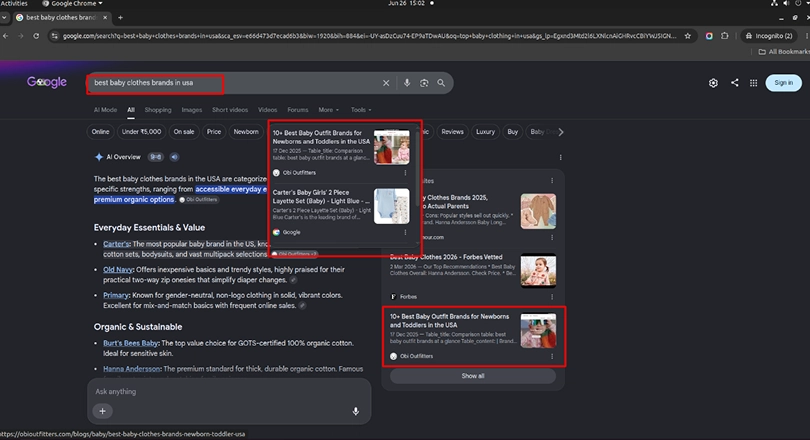
You write the article, list 8–10 brands in your category (including your own), structure it clearly, and publish it on your Shopify blog. The next time a shopper asks ChatGPT that question, the AI pulls your article as a source — and your brand is part of the answer.
Comparison Articles Side-by-side comparisons of brands or products in your niche. AI loves these because they’re informative and easy to parse.
Examples:
When you include your own brand in a fair, honest comparison alongside competitors, you become part of the conversation AI is having with shoppers.
Buying Guides Guides that help shoppers make a decision — not just pick a product but understand what to look for. These rank well with AI because they’re educational and citation-worthy.
Examples:
Place your brand as one of the recommended options within the guide. You’re not just selling — you’re helping. AI platforms trust and cite content that genuinely helps the reader.
FAQ Content Short, direct answers to specific questions shoppers ask. These get pulled almost word-for-word into AI responses.
Examples of questions to answer on your blog or product pages:
Write the question as a heading (H2 or H3). Write a clear, 2–3 sentence answer directly below it. AI models are trained to surface exactly this format.
You can’t just write “We are the best jewellery brand in India” — AI ignores self-promotion. The content has to be genuinely useful and objective-sounding, with your brand included as one strong option among others.
Here’s how to do it correctly:
Be honest about what you’re good at. If your brand specializes in handmade silver jewellery under ₹1500, say that — in the article. Position your brand for the specific shopper it’s best for, not every shopper.
Use structured formatting. Each brand in your list should have: a short description, what they’re known for, their price range, and who they’re best for. This structure makes it easy for AI to extract and cite cleanly.
Mention your brand naturally mid-list. Don’t put yourself at number 1. Position your brand at number 2, 3, or 4 — it reads as more credible, and AI still surfaces it.
Link your brand entry to your actual product pages. Internal links from the article to specific products or collections tell AI where to send shoppers who are interested in your brand after reading the article.
If you’re starting from scratch, here’s a simple priority order based on what AI platforms cite most:
Publish one article per week. Each article is a new opportunity for AI to find your brand, cite your content, and recommend your store to someone who’s ready to buy.
Say you sell handmade silver jewellery in India. You publish an article on your Shopify blog titled:
“Top 10 Handmade Silver Jewellery Brands in India (2026) — For Every Budget”
The article lists 10 brands. Your brand is at number 3, described clearly: what you make, your price range, your speciality (e.g. traditional Rajasthani designs), and a link to your collection.
Next week, someone asks Perplexity: “Which Indian brand sells handmade silver jewellery at good prices?”
Perplexity crawls the web. It finds your article — well-structured, specific, and genuinely informative. It cites it. Your brand name appears in the answer. The shopper clicks through to your store.
This isn’t just a hypothetical example.
We’ve seen the same happen with our client, YallaToys.
After publishing the blog, “10+ Best Game Zones & Entertainment Centres in Qatar,” it started appearing in Google’s AI Overview for a relevant search query (see the screenshot below), helping the brand gain visibility directly in AI-generated search results.
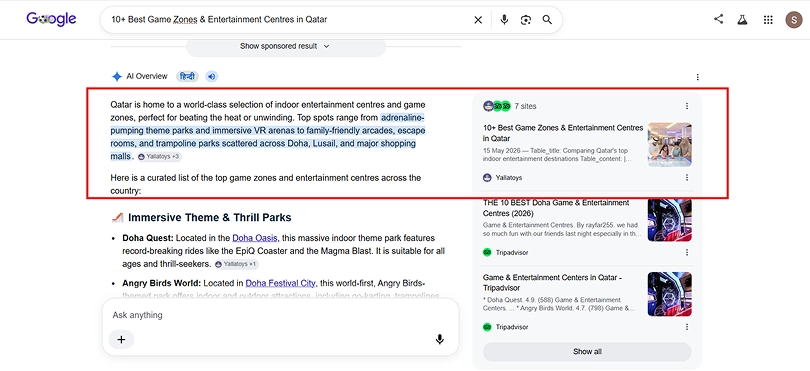
That’s agentic ecommerce content strategy working exactly as it should. No ad spend. No bidding wars. Just the right content in the right place.
AI visibility brings visitors, but conversions depend on your store experience. Building a high-converting Shopify store ensures those AI-driven visitors actually become customers.
Traditional SEO got you ranked on page one of Google. That’s still important.
But in 2026, there’s a second game being played simultaneously — and most store owners haven’t started playing it yet.
AI platforms are becoming shopping assistants for hundreds of millions of people. The stores that win in this channel won’t necessarily be the biggest or the ones spending most on ads. They’ll be the ones with the cleanest product data, the best-structured pages, and the most trust signals across the web.
Getting this right requires a specific combination of technical setup, content strategy, and product data optimization. At ControlF5, we help Shopify store owners get AI-ready — from Agentic Storefront setup and schema implementation to content that earns AI citations.
If you want your products showing up the next time someone asks ChatGPT “what should I buy?” — let’s talk.
Does my Shopify store automatically show up in ChatGPT recommendations?
Being integrated through Shopify Agentic Storefronts puts you in the pipeline — but getting recommended depends on your product data quality, schema markup, and trust signals. Most stores in the integration still don’t appear in results.
Is Perplexity shopping available in India?
Perplexity’s in-chat purchase feature (Instant Buy) is currently US-only, but product discovery and citations are global. Indian Shopify stores can still show up in Perplexity answers — joining the Merchant Program helps significantly.
What’s a GTIN and why does it matter?
A GTIN is your product’s barcode or Global Trade Item Number. ChatGPT Shopping and Perplexity use GTINs to identify and match products across retailers. Without one in your schema, AI has to match by name alone — which is unreliable and often means your products get skipped.
Do I need to pay to appear in AI product recommendations?
No. Perplexity has confirmed all product results are organic — no paid placement. ChatGPT and Google AI Mode work the same way. There are no separate fees beyond standard Shopify and payment processing rates.
Can content on my blog help get my products recommended by AI?
Yes — significantly. Publishing “Top 10” brand lists, buying guides, comparison posts, and FAQ content that includes your brand gives AI platforms structured, citable content to pull from. When someone asks ChatGPT or Perplexity “what are the best jewellery brands in India?”, the AI fetches answers from websites that have already written about it. If your site is the source — and your brand is in the list — you get cited. This is one of the highest-impact strategies available to Shopify store owners right now.
Should I include competitor brands in my “Top 10” articles?
Yes — and that’s actually what makes it work. AI platforms trust content that feels objective and genuinely helpful. If you only mention your own brand, the article reads as self-promotion and won’t get cited. Including 8–10 real brands from your niche (with your brand at position 2, 3, or 4) makes the content credible, and AI is far more likely to pull from it as a source.
ControlF5 is a Shopify agency helping store owners build AI-ready ecommerce setups that get discovered — and recommended — across ChatGPT, Google AI Mode, and Perplexity. See how we can help →



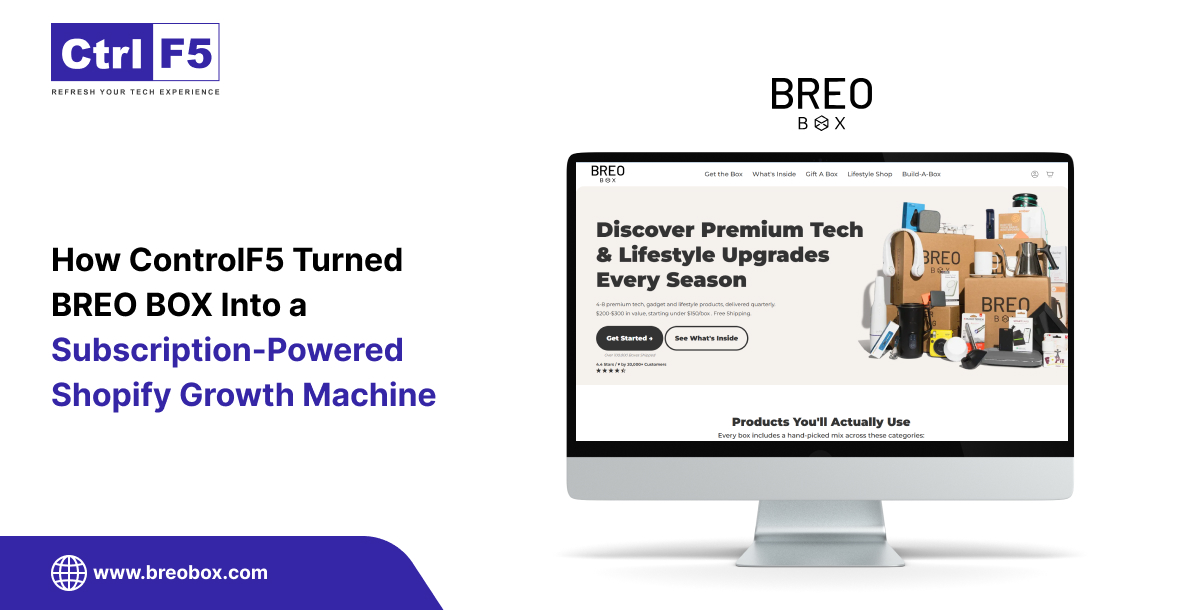
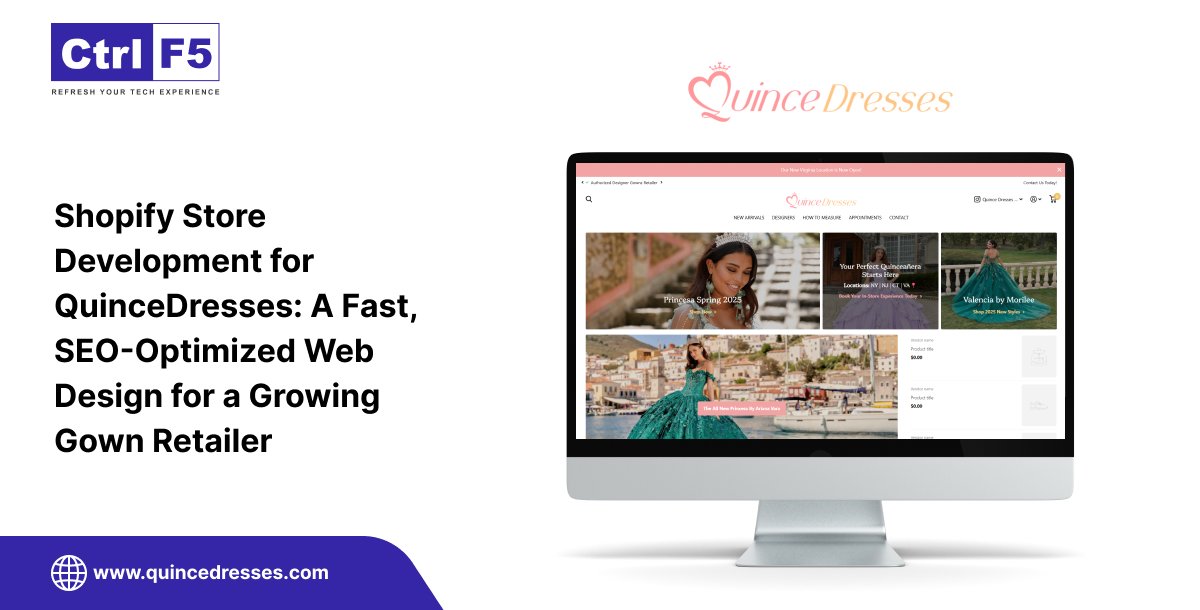

In this blog, I am sharing the BFCM strategies 2026 and offer tips that I have seen work again and again.
Finding the best Shopify agency in the USA can feel overwhelming. There are hundreds of Shopify agencies claiming to be “the best,” but only a handful actually have the experience, technical depth, and client results to back it up.

Jewellery shoppers judge a brand by its presentation first. A clean, premium Shopify store can instantly build trust, highlight craftsmanship, and improve conversions across mobile and desktop.