

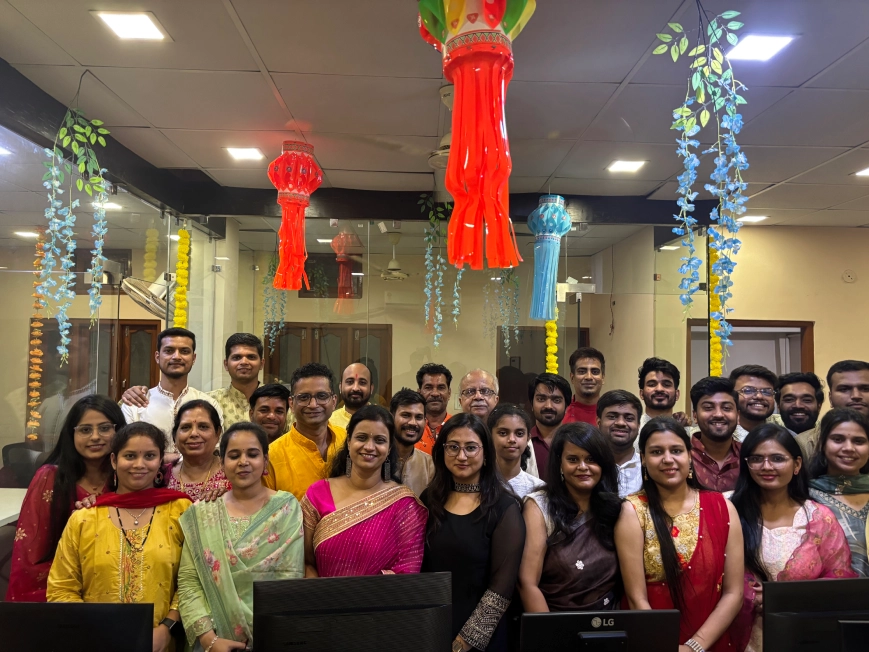
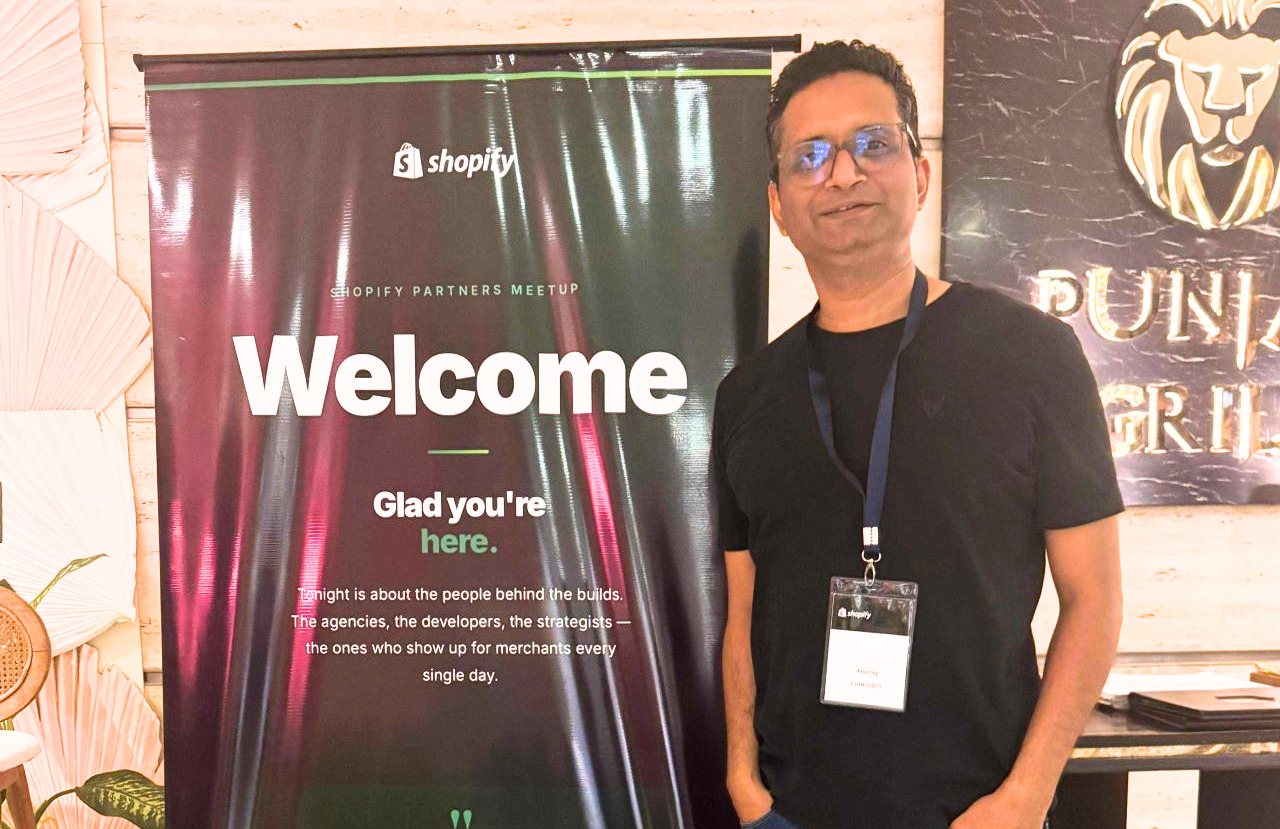
Recently, I had the opportunity to travel to Mumbai and spend a day connecting with the Shopify India Team. It was one of those sessions where you walk in with a few questions and walk out with a completely different perspective on where eCommerce is heading.
We went deep into what is next for e-commerce, the Shopify App Market, AI tools, agency growth, and a lot more. It was one of those conversations that leaves you thinking for days after.
One of the big topics was how the Shopify App Market is changing.
The Shopify app Market is not the same as it was a couple of years ago. It is growing, it is getting smarter, and the kind of apps merchants are looking for has shifted. Merchants today want tools that actually solve problems, not just add features. They want apps that make their store run better without creating more work for themselves.
For agencies like ControlF5, this matters a lot. The apps we recommend to our clients need to keep up with where the market is going. The conversation with the Shopify India Team gave me a clearer picture of how that market is moving and what to look out for.
This was one of the most exciting parts of the day.
Shopify AI Sidekick is changing the way merchants and experts approach problem-solving. And the change is real, it is making things faster, smarter, and more data-driven.
What does that actually mean?
Before AI tools like Sidekick, a lot of decisions in e-commerce were slow. You had to pull data manually, try to make sense of it, and then figure out what to do. That takes time. And by the time you have your answer, the moment might have passed.
Sidekick changes that. It helps merchants and the experts working with them get to answers faster. It makes problem-solving less about digging through data and more about actually acting on it.
For agencies, this is a shift worth paying attention to. When AI is doing more of the heavy lifting on data and analysis, we can focus more on strategy and execution. That is a better use of everyone’s time, and it leads to better outcomes for merchants.
The way I see it, AI tools like Sidekick are not replacing the human side of eCommerce. They are making the human side more effective.
I also had a great conversation with Ayush Bindal about scaling advanced Shopify and Shopify Plus merchants.
Specifically, we talked about how agencies can better position, convert, and grow as strong Shopify partners.
This is something I think about a lot when it comes to ControlF5.
Positioning is about being clear on what you do and who you do it for. As an Shopify agency, if you are trying to serve every kind of merchant, it becomes very hard to stand out. The Shopify agencies that thrive in the Shopify space are usually those with a clear identity, a deep understanding of a specific type of merchant, and a particular problem they are really good at solving.
Converting is about showing merchants why you are the right Shopify partner. Especially at the Shopify Plus level, merchants want to see that you understand their business. They want to know you have done this before. That means having the right case studies, asking the right questions, and showing up prepared.
Growing as a Shopify partner means thinking long-term. It is not just about signing new clients. It is about building relationships that last. Merchants who trust their Shopify agency stay longer, spend more, and refer others. That kind of growth is more sustainable than constantly chasing new business.
The conversation with Ayush Bindal was a good reminder that Shopify agency growth is not just about capability. It is about how clearly you communicate that capability and how consistently you deliver on it.
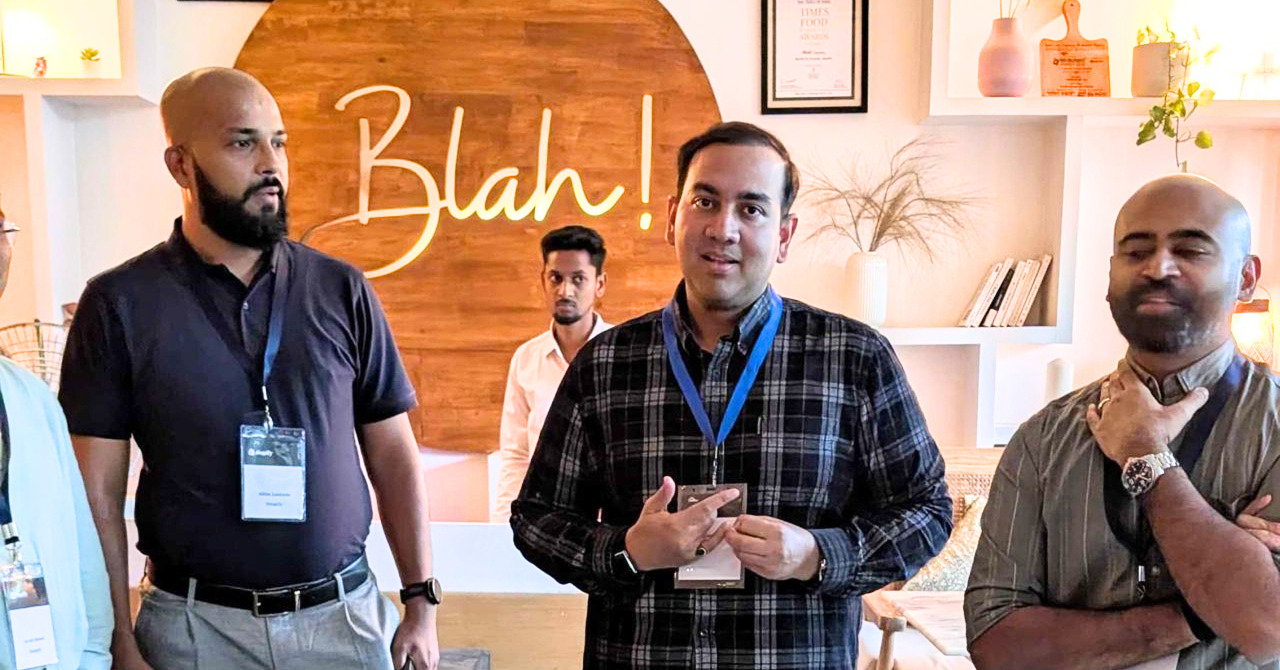
I also had an insightful discussion with Allen Lasrado, Siddhant Rana, and Ananth Jayarajan.
The conversation was around how agencies and product teams can grow together, solve real merchant pain points, and retain clients for the long run.
This is a topic that does not get talked about enough.
Agencies and product teams are working towards the same goal, helping merchants succeed. But they often operate separately. Agencies are working directly with merchants every day. Product teams are building the tools those merchants use. When both sides share what they know, everyone wins.
Agencies understand the real pain points merchants face on the ground. The things that slow them down. The gaps that existing tools do not fill. That kind of feedback is genuinely useful for product teams who are deciding what to build next.
On the other side, when agencies understand the direction the platform is heading, they can guide their clients better. They can set realistic expectations. They can build strategies that make sense for the long term, not just what is available today.
The other thing we touched on was client retention, and I think this is where a lot of agencies leave value on the table.
Retaining a client is harder than it sounds. It is not just about doing good work. It is about staying relevant to them as their business grows, staying ahead of their problems before they become real issues, and showing up as a partner rather than just a service provider. That is what keeps clients for the long run.
It was a really good discussion. The kind that makes you reflect on how your own agency operates.
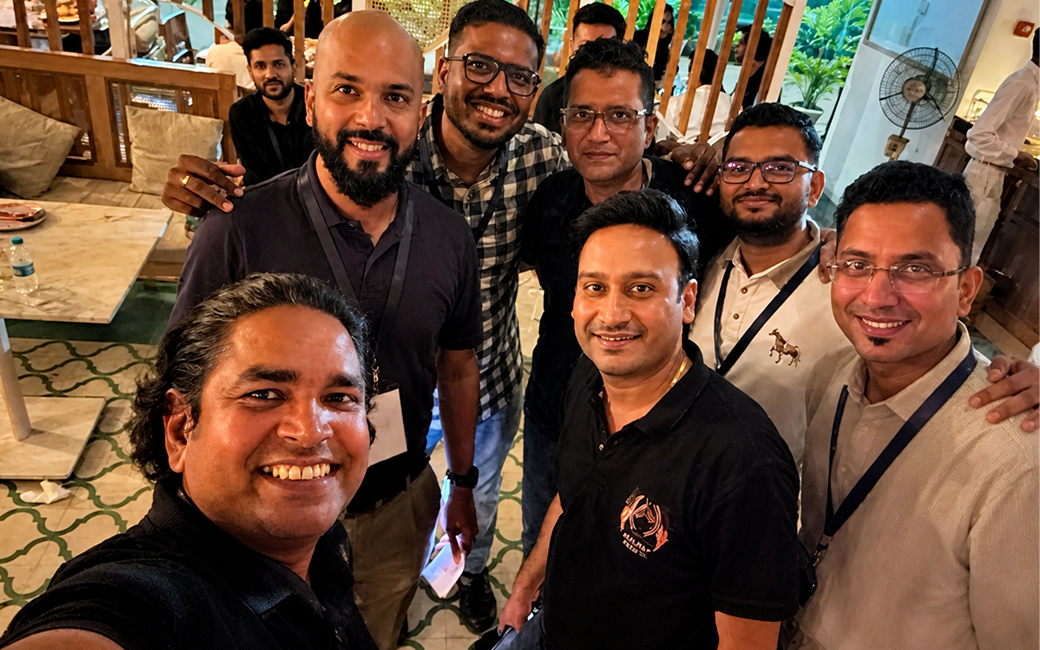
It was also great to connect with Sachin D., Ramesh Subramaniam, Gideon Jeromeraj, Atul Poharkar, Bilal Chaglani, Mayur Morè, Hitesh Matlani, Vicky Kukreja, and Pramendra Yadav with some really insightful conversations along the way.
Sachin D. spoke about how “automation is the backbone of scalable Shopify businesses, and with AI-driven automation, repetitive tasks can be eliminated to focus entirely on growth.”
Ramesh Subramaniam highlighted that “email marketing combined with AI automation helps personalize at scale, which is key to building real customer loyalty and retention.”
Gideon Jeromeraj shared how “AI can significantly improve AOV by predicting customer behavior, recommending the right products, and optimizing the buying journey,” while Atul Poharkar pointed out that “mobile apps powered with AI insights give Shopify brands a competitive edge through better engagement and smarter user experiences.”
Mayur Morè mentioned how “AI + WhatsApp and Instagram automation is changing the game, enabling instant, personalized conversations that drive conversions.”
The Shopify ecosystem in India has some really sharp people. Every time I attend these meetups, I’m reminded that everyone is either building something, learning something, or solving something, and they’re open to sharing it.
That’s what makes these gatherings genuinely worth attending.
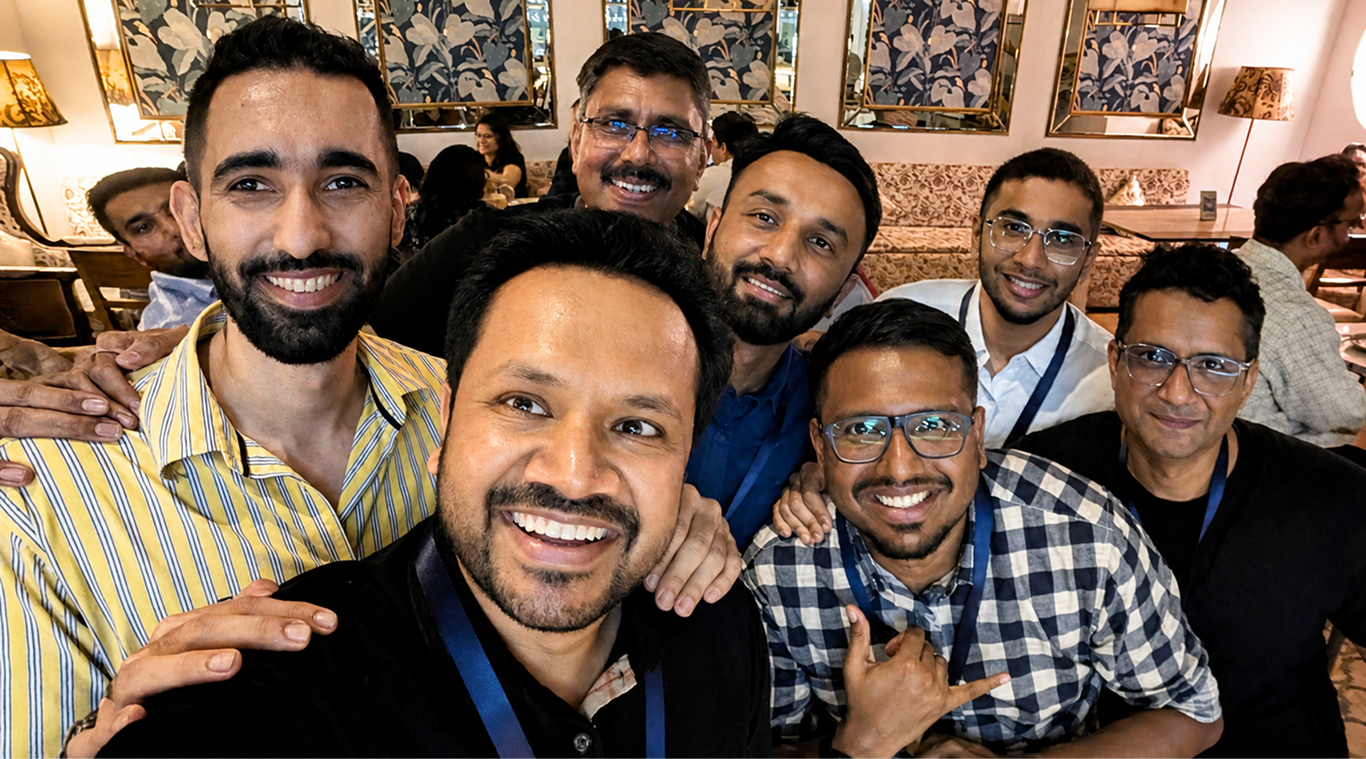
If there was one thing that every conversation in Mumbai kept coming back to, it was this: the future of e-commerce is AI-driven.
And it is exciting to be part of that shift.
AI is already changing how merchants make decisions. It is changing how Shopify agencies work with clients. It is changing what the Shopify App Market looks like and what tools merchants expect to have access to.
The question for merchants is: are you using the AI tools available to you today?
Because the merchants who are already getting comfortable with tools like Shopify AI Sidekick are going to have a real advantage over those who are still waiting to see how things play out.
The question for agencies is: are you building AI into how you work? Because clients are going to start expecting it, and the agencies that can show clear, data-driven results are the ones that will grow and retain clients best.
This is not something that is coming in a few years. It is already here. The Mumbai conversations made that very clear.
Connecting with the Shopify India Team in Mumbai was a genuinely valuable experience.
We talked about the Shopify App Market, AI Sidekick, what it takes to scale Plus merchants, how agencies and product teams can work better together, and why AI is the direction this whole industry is heading.
It was the kind of conversation that gives you clarity on where the industry is going, on what Shopify agencies need to do to keep up, and on what shopify brnds should be paying attention to right now.
Big thanks to shopify team india Ayush Bindal for the insights on agency growth. And to Allen Lasrado, Siddhant Rana, and Ananth Jayarajan for the open discussion on agencies, product teams, and merchant success.
The future of e-commerce is AI-driven, and it is exciting to be building in it.





In this blog, I am sharing the BFCM strategies 2026 and offer tips that I have seen work again and again.

Finding the best Shopify agency in the USA can feel overwhelming. There are hundreds of Shopify agencies claiming to be “the best,” but only a handful actually have the experience, technical depth, and client results to back it up.
This guide will show you exactly what agentic ecommerce is, how AI platforms like ChatGPT, Google AI Mode, and Perplexity decide which products to recommend — and what you need to do so your Shopify store shows up in those conversations.